Attrazioni della Sicilia

100 luoghi da visitare in Sicilia: templi, castelli, riserve naturali, borghi e spiagge paradisiache. Tutte raggiungibili da Trappeto.

Art and Culture

64
Abbazia di Santo Spirito - Attrazioni Sicilia

Abbazia di Santo Spirito

Caltanissetta

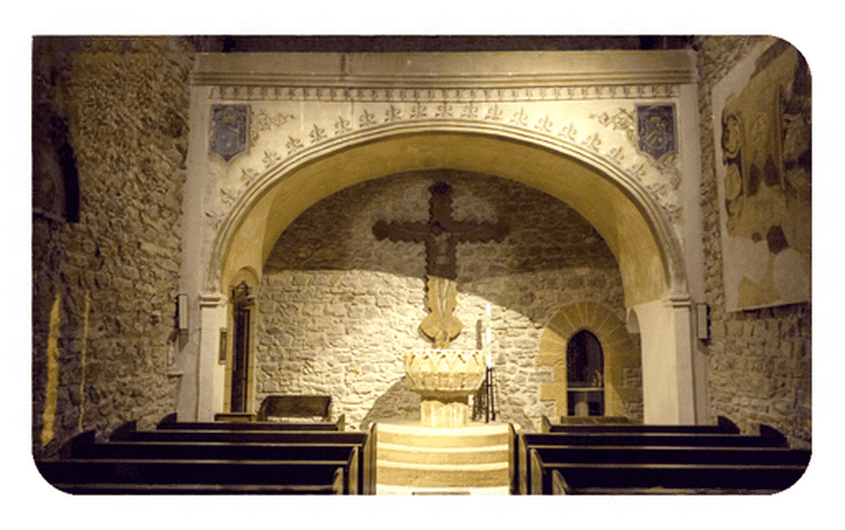
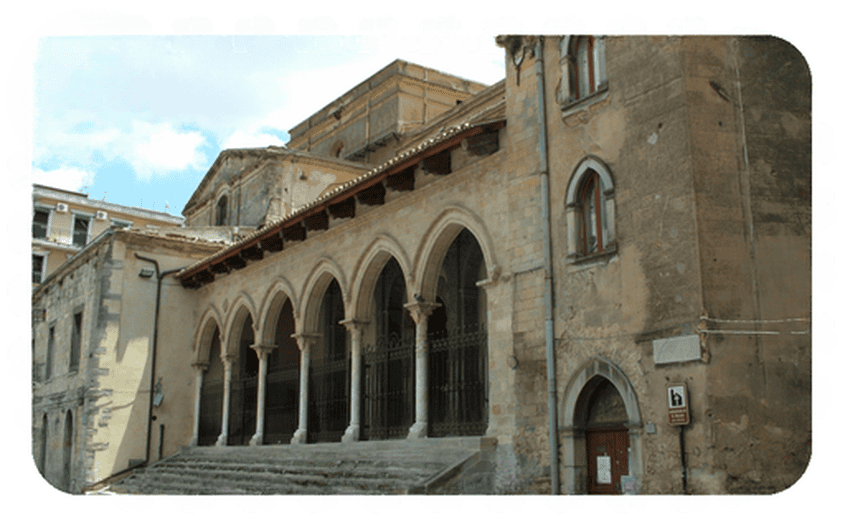
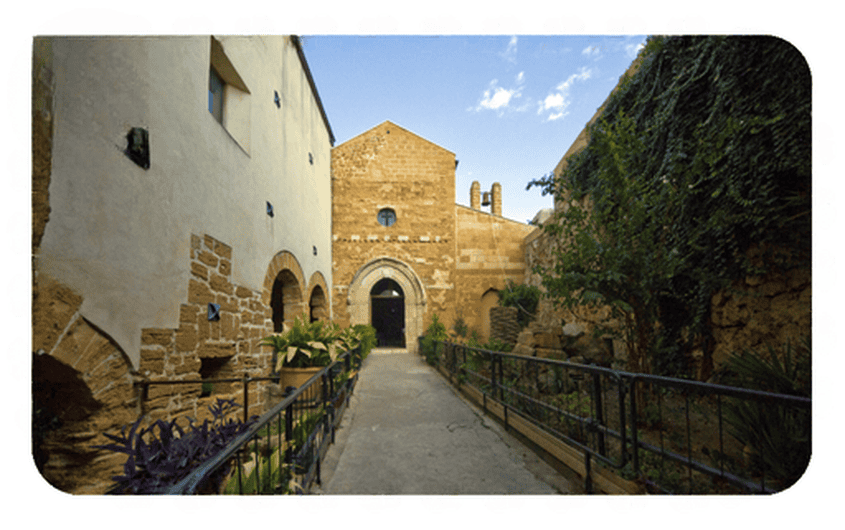
The abbey of Santo Spirito, of Norman origin, was founded in 1095 and is one of the oldest churches in the territory of Caltanissetta, still open to worship. Made up of three small apses divided by romantic -style pilasters, it preserves frescoes of great artistic value of the '400 as the blessing Christ and pity. Among the wonders of antiquity that can be admired: a Romanesque for the immersion baptism, a sixteenth -century port, a beautiful arch of clear Arab manufacturing, several paintings, ancient sacred texts and a chalice of tin. A legend tells of a wayfarer who found an abandoned newborn baby near the abbey one night. The wayfarer, however, once collected from the ground the infant saw that the little one has already goes the incisors developed. The wayfarer was taken by amazement when the newborn replied to his amazement with a malicious grin saying "and you did not see the incisors!" To then disappear into a blaze. From this legend comes the custom not to move from the parts of the abbey during the hours to not.

Alicudi - Attrazioni Sicilia

Alicudi

Lipari

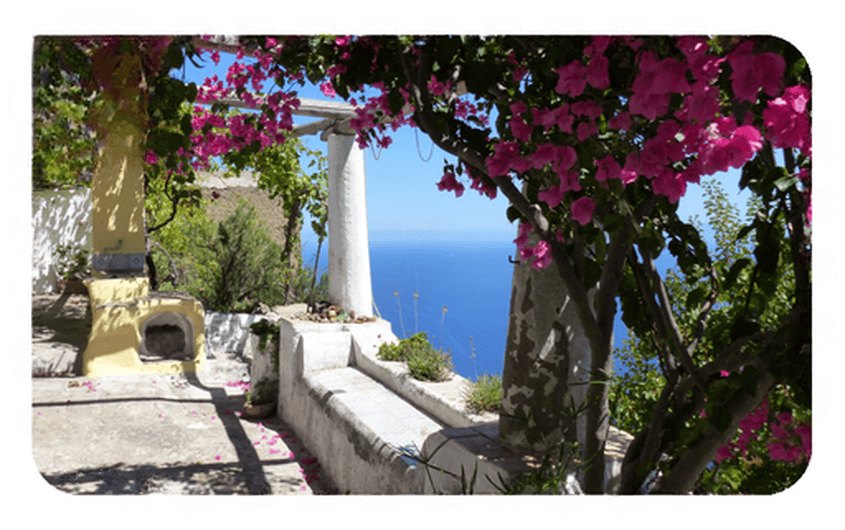
The island of Alicudi, in ancient times known as Ericussa, from the ancient Greek ἐρικοῦσσα, that is, "rich in Erica", is the most western of the Aeolian archipelago. Its beaches are in pebbles and rocks and the winter storms make them back or advance, sometimes leaving a few flaps of Rena Scura. The tour of the island is possible, but presents the risk of the fall of stones, caught with the wind or by the brands, and requires the swimming of some rock formations to swim. On the other hand, the steep mule tracks, currently well maintained in the summer by the Legambiente volunteers, immerses ourselves in the Mediterranean scrub consisting of herry, cape, ginestra, olive, lentisco and carob. Alicudi was inhabited since the Neolithic, as attested by traces found at the current port and on the top of the island. To the 4th century BC Some burials with lava stone slabs found in the locality of the Stola in 1924 are dated, with a funeral equipment of lamps and fictile vases. Fragments of Roman vasellame are found on the eastern coast. The island of Erica was inhabited after the war by over 600 people largely then emigrated to Australia. Today only one hundred in everything has and this still makes it an icon of uncontaminated and virgin nature today.

Antico Stabilimento Balneare di Mondello - Attrazioni Sicilia

Antico Stabilimento Balneare di Mondello

Palermo

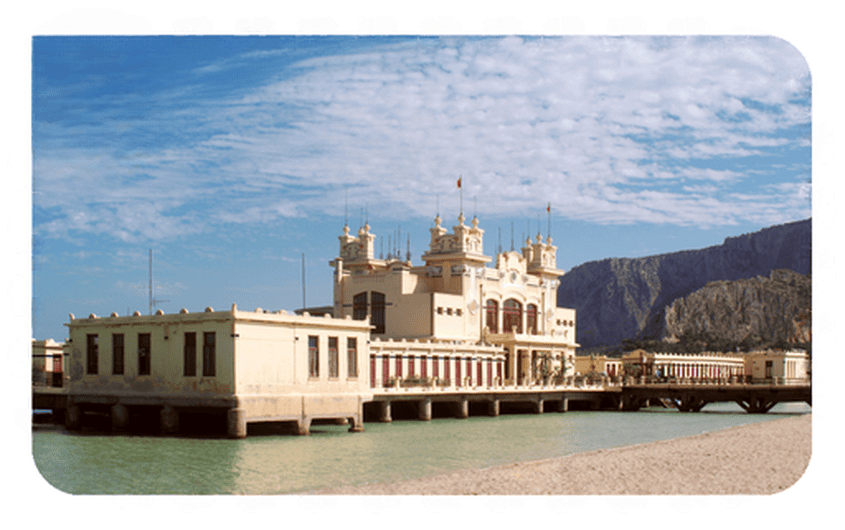
Following the reclamation, which took place in the early 1900s, the Mondello area became of great interest for the entrepreneurs of northern Italy who saw in this stretch of coast the potential for the creation of a seaside resort higher than the most famous European ones, with a far more beautiful promenade of the note promenade des Anglais of Nice. The Belgian company, "Les Tramways de Paleme" obtained from the state property, in 1910, the sale of about 280 hectares of land in the face of a series of services and structures to be prepared for the construction of a first -rate seaside resort. The company, in addition to the payment of a conspicuous sum of money, undertook to build a Grand Hotel, a Kursaal, a church, a bathing establishment in Palafitta on the sea, 300 villas, the water network, the sewage network, a nine -hole golf courses and some urban furnishing works such as kiosks, lighting, and public gardens. The construction of the bathing establishment had been originally designed for the city of Ostend, a Belgian port city, but was moved to the Sicilian resort due to the greater beauty of the landscape of the latter. The bet was to be able to build a structure capable of lasting for decades resisting the corrosive action of water and salt. The building, decorated with volutes, friezes, sculptures, windows and painted with bright colors is unique in its kind and represents one of the most beautiful art nouveau architectural works in Europe. During the Second World War, the plant was used as a headquarters, first by the fascists and the German army, and then by the allied forces that transferred most of the furniture to Villa Igiea, a prestigious residence used by the high ranks of the American army. In 1995 the structure suffered a full -bodied restoration that brought it back to the ancient splendor. The plant hosts the prestigious restaurant "Alla Terrazze" today.

Area archeologica demaniale Bosco Littorio - Attrazioni Sicilia

Area archeologica demaniale Bosco Littorio

Gela

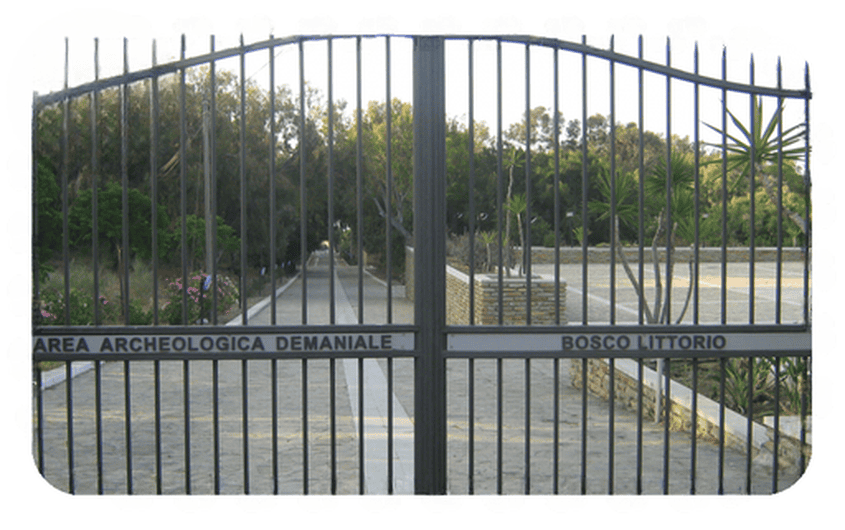
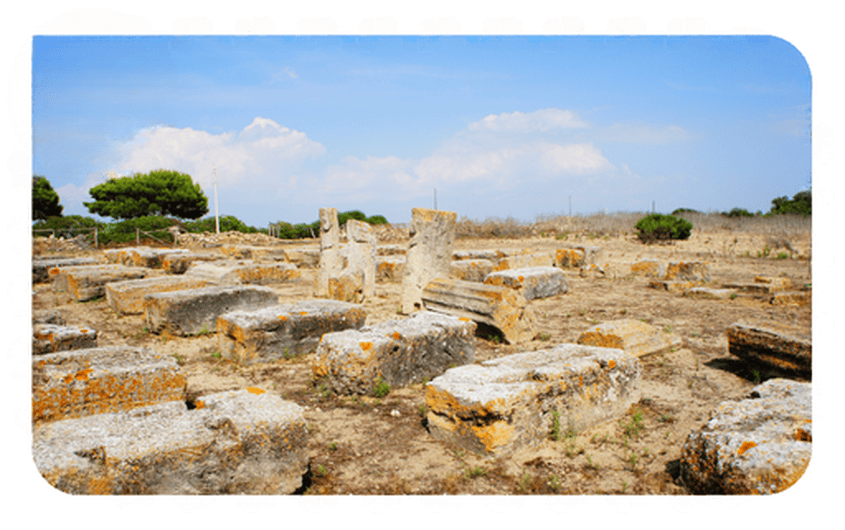
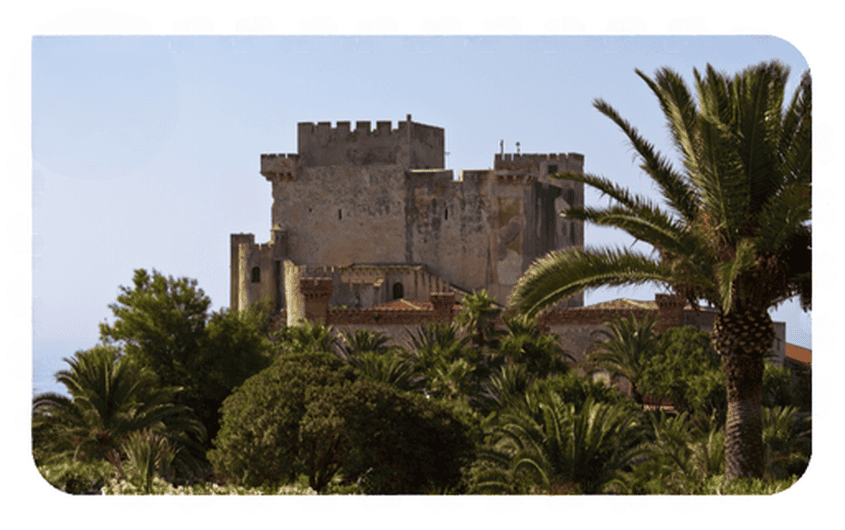
Bosco Littorio is a green spot on the Sicilian coast in the municipality of Gela, within which an archaeological area was found in 1983 which retains the remains of a Greek emporium dating back to the period between the seventh and fifth century BC. The area, which since 1992 belongs to the regional state property with the establishment of the Superintendency of Caltanissetta, took the current name during the twenty years.
Area archeologica di Adranon - Attrazioni Sicilia

Area archeologica di Adranon

Sambuca di Sicilia

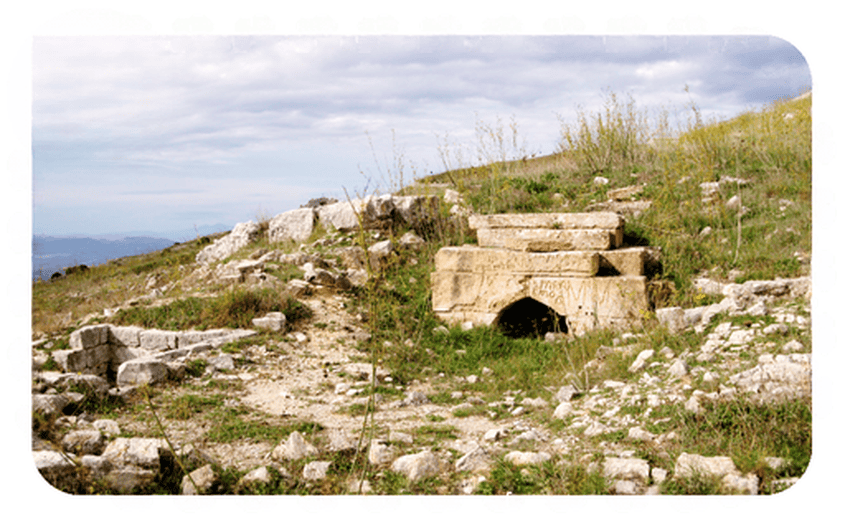
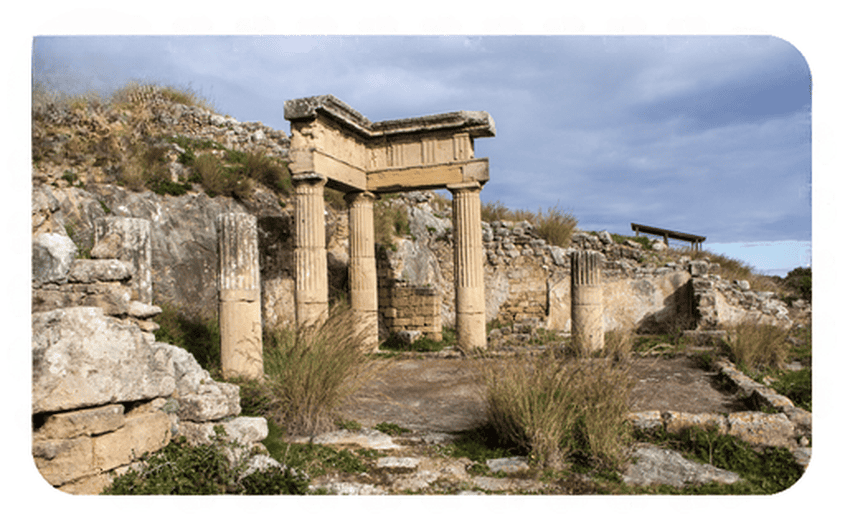
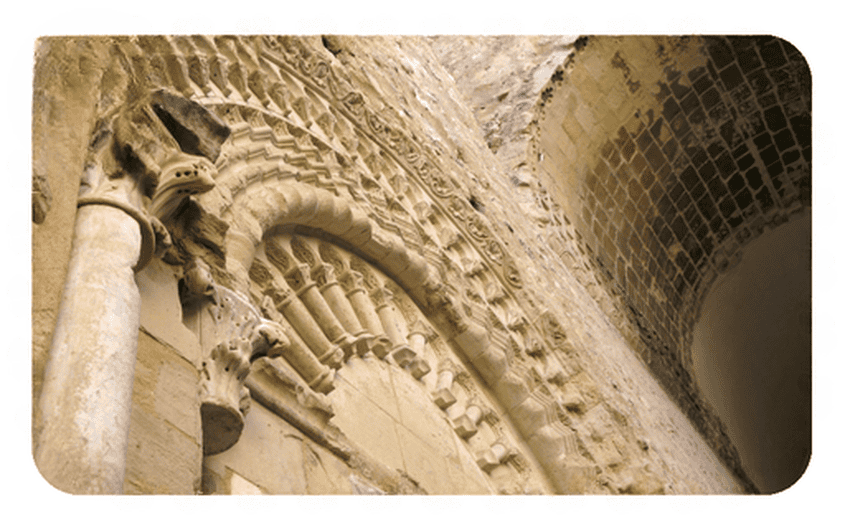
The ancient city of Adranon was a Greco-Punic settlement dating back to the early fifth century BC, destroyed, according to the data of the archaeological excavations, around the third century BC. It is located on Mount Adranone, a relief north of the municipality of Sambuca di Sicilia (AG). The necropolis is located, in which the monumental tomb of the Queen stands out; Continuing towards the top of the mountain you can observe the walls of the city-fortress, the artisan and commercial neighborhood, and a sanctuary surrounded by a Tenenos, preceded by a chain where the votive offers of the faithful were collected; On the top there is the sacred area of ​​the acropolis.

Area Archeologica di Eraclea Minoa - Attrazioni Sicilia

Area Archeologica di Eraclea Minoa

Cattolica Eraclea

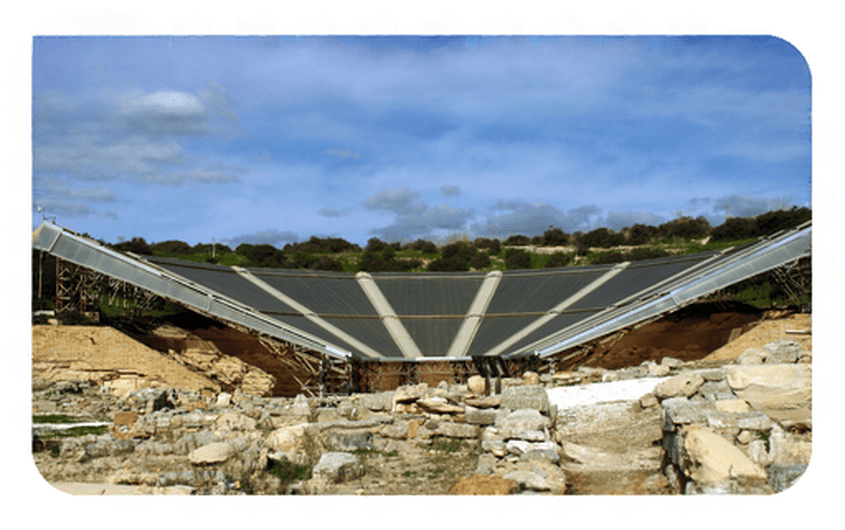
Eraclea Minoa, which is located in the territory of the municipality of Cattolica Eraclea near the Platani river area today called Capobianco, was an ancient Greek city of founded Sicily, according to Herodotus, by the Selinuntini who originally called it Minoa. In fact, the name Minoa seems to be connected to the legend according to which the Cretan King Minos would have chased Daedalus to Sicily to punish him of his help given to Arianna and Teseo struggling with the labyrinth. It is said that Minos died in these places at the hands of the same King Sick where Dedalo had taken refuge. The city, which is considered one of the greatest examples of Hellenistic and Roman urban planning, boasts monuments of great interest such as the theater, built at the end of the fifth century BC, the Greek and Roman neighborhood neighborhood with urban planning system at "Insulae" and the Antiquarium, which houses a selection of ceramic finds and votive statuettes from the town and the necropolis.

Area archeologica di Kamarina e Il Museo archeologico regionale di Kamarina - Attrazioni Sicilia

Area archeologica di Kamarina e Il Museo archeologico regionale di Kamarina

Vittoria

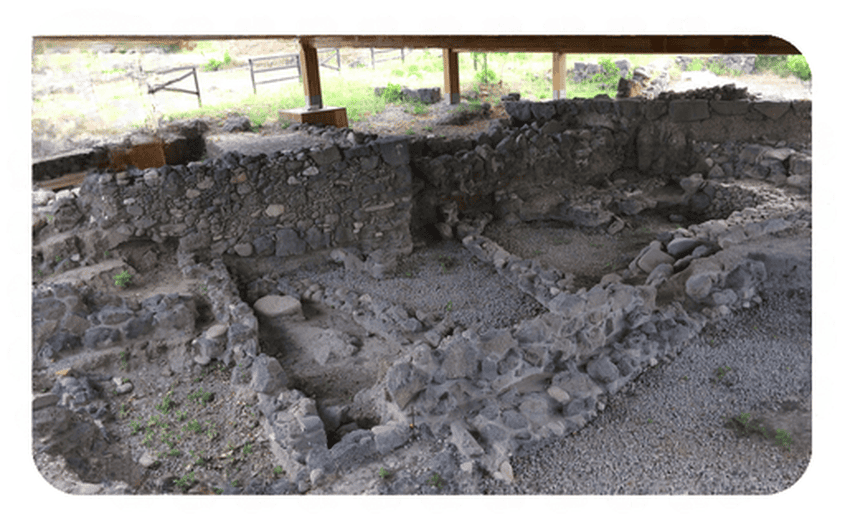
Kamarina was founded in the early 6th century BC. From the Syracusans with the dual purpose of controlling Gela's expansionist aims and creating a port on the commercial route to Africa. In a short time the commercial importance of this Syracusan colony grew by making it become a point of reference for exchanges towards the whole Ibleo hinterland, at the time inhabited by the Sicilians, enemies of the Syracusans. This soon led to a conflict between the colony and its city city which ended with a victory of the Syracusans who therefore maintained possession of the city until the fifth century BC. Kamarina then became a commodity of exchange in an agreement to cease the war hostility of Hippocrates, a tyrant of Gela, against the Aretusean city. After the Gelesi in the territory of Kamarina, the Carthaginians alternated, the Mamertini, mercenary soldiers of Campania origin who fought for Carthage during the Punic wars, and the Romans until the destruction of the city, in the 827 AD, during the Arab-Berber conquest of Sicily. Despite all these changes, the excavation of the settlement certifies a continuity of life uninterrupted from the Foundation up to the modern era: the remains of the Temple of Athena were additucting in the construction of the church of the Madonna di Cammarana, destroyed by a fire in 1873, and on the foundations of which the construction stands that today houses the Lil Regional Archaeological Museum of Kamarina which, structured on three panels and six Salt, contains various types of amphorae, furnishings, coins, funeral accompanying, devotional statuettes, as well as objects and weapons in the prehistoria dating back to prehistoric. Of the ancient Kamarina, whose name according to Strabone means "inhabited after much effort" remain archaic tombs (seventh century BC) and not very significant ruins of a temple dedicated to Minerva while the city is still recognizable in its original area by the remains of houses and flooring.

Area Archeologica di Naxos - Attrazioni Sicilia

Area Archeologica di Naxos

Giardini-Naxos

Naxos, archaeological site of the province of Messina, is the first Greek colony to be founded in Sicily in 735 BC. And from archaeological excavations it even emerged that at the end of the 6th century BC, the city beat silver coins sign of a developed society. The first Greek colony of Sicily lasted about three hundred years and due to this conjecture, the archaeological excavations have made it possible to know the urban planning of the Greek archaic cities precisely. The archaeological site of the Antica Naxos insists on the Schisò peninsula on an area of ​​about 37 hectares and the inlet existing between Capo Taormina and Capo shake the Naxos bay. In ancient times this inlet was a natural shelter for the small and fragile ships of the time. The park carries out the following times. Period: Jan 1 - FEB Hours: 9/16 Period: February 16 - Feb time time: 9/16: 30 
Period: 1 Mar - Mar 15 Hours: 9/17 Period: Mar 16 - 31 Mar Hours: 9/17: 30 Period: 1 APR - 30 APR Hours: 9/18: 30 Period: 1 May - 31 Aug Hours: 9/19 Period: 1 set - 15 time set: 9/18: 30 Period: 16 Set - 30 Timetable Set: 9/18 Period: 1 OCT - 15 OCT TIME: 9/17: 30 Period: OCTOBER 16 - 31 OCT TIME: 9/17 Period: Nov 1 - Dec 31 Hours: 9/16

Area Archeologica di Solunto - Attrazioni Sicilia

Area Archeologica di Solunto

Santa Flavia

Solunto is an archaeological area located on Monte Catalfano about 2 kilometers from Santa Flavia in the province of Palermo. According to Tucidide, Solunto was, together with Panormus (Palermo) and Motya, one of the three Phoenician cities in Sicily. Some coins found in the area reveal how the Phoenician name of the city was Kafara. The solo name dates back to Greek domination and derives from the word "solos", ferrous rock. Of the first Punic inhabited area, scarce traces remain today due to the recent urban growth of Santa Flavia and its hamlets. The city was conquered for treason in 396 BC, together with Cefalù and Enna, by Dionisio I of Syracuse during his war against the Carthaginians. On this occasion, the Phoenician city was probably sacked and destroyed to be reconstructed entirely, according to the urban dictates of Ippodamo da Mileto, in its current location in a more raised position, on Monte Catalfano. In 254 BC, during the First Punic war, the city passed to the Romans but, judging by the archaeological materials dating back to that period, it seems solus, semi -desert and already and in decline, has been definitively abandoned a little later. In the archaeological site of Solunto today we can observe some types of Hellenistic homes, some of minor social classes, others richer and sumptuous decorated with mosaics and paintings; of the Roman spas; Gymnasium, dug in the mid -nineteenth century and restored in 1866 by Cavallari who raised the columns of the peristyle with arbitrary additions; A sacred area, with an altar with a tank for the collection of sacrificial blood, and some environments intended for ceremonies; The agora on which the Stoà opened, the typical covered walkway of the Greek public areas. In a plateau above the city stood the theater, which had a diameter of about 45m and twenty -one orders of steps: a small construction adequate to the size of the city that could contain about one thousand years old spectators.

Aron di Agira - Attrazioni Sicilia

Aron di Agira

Agira

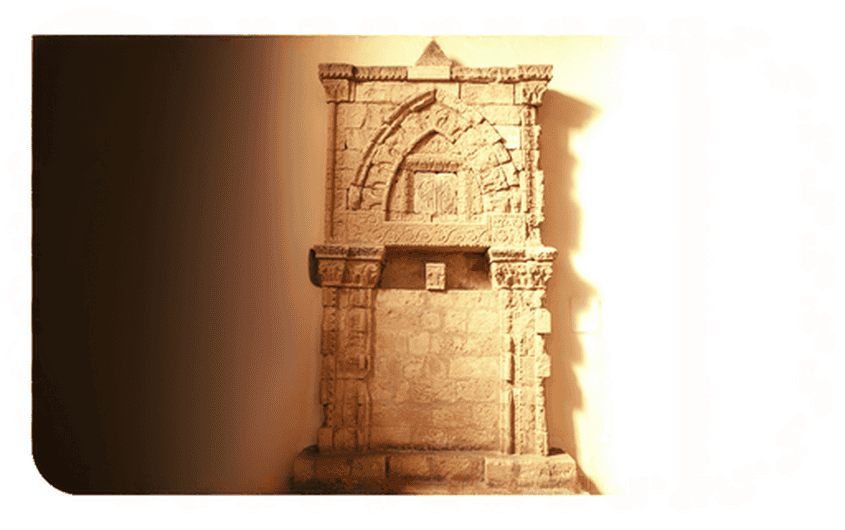
The oldest Aron in Europe of which we have news today, according to the scholar Nicolo Bucariasi, is located in Agira. Originally located in the synagogue in via Santa Croce, in the Arab district of Agira, the Aron di Agira, a sacred furnishing of the Jewish religion always present inside the synagogues, until the last decade was considered distracting the rest of a portal. In 1996, the theologian Mons. Benedetto Rocco decipheraning the inscription "Jacob's house, we are walking in the light" engraved in the stone instead recognized in it the Aron of the ancient synagogue. It was the use of the Jews to date the year of construction of the synagogues by placing graphic signs on the last letters of these inscriptions and thus also attributing a numerical value to them. The number thus deciphered on the Aron of Agira was 5214 from the creation of the world, or 1454. Today the Aron is preserved within the church of the SS. Savior.

Artemision - Attrazioni Sicilia

Artemision

Siracusa

The Artemision or Temple of Artemide is located in via Minerva, a stone's throw from the splendid Piazza Duomo at the highest point of the island of Ortigia. The Artemision, temple in perfect ionic style and rare example of this order still preserved in the West dating back to the second half of the 6th century, also presents architectural similarities with some great temples of Asia Minor. The Ionian temple seems to date back to the Gamoroi period, the descendants of the first Greek colonists of Corinth who arrived in Syracuse, which ruled the city at the time of its construction. Today the ArteMision is often used also as a location for exhibition exhibitions, theatrical performances, international music reviews and seasonally as a sandstar of the Catania butterfly museum.

Bagni greci di Gela - Attrazioni Sicilia

Bagni greci di Gela

Gela

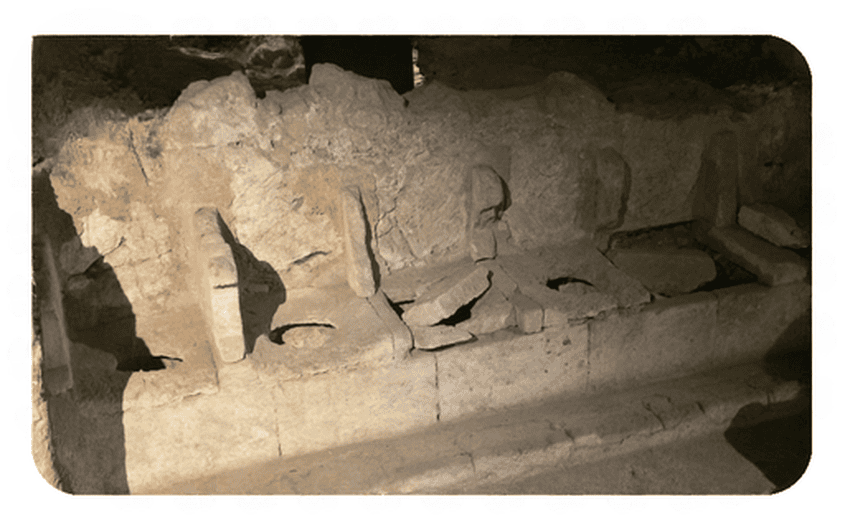
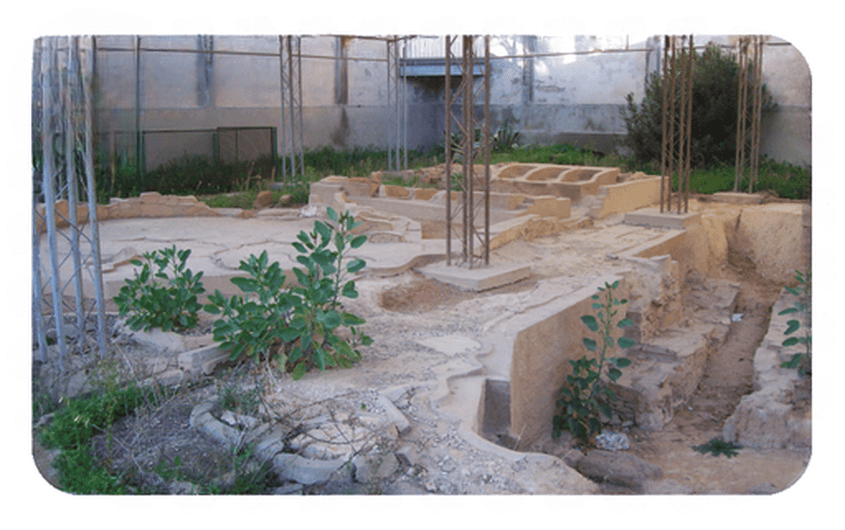
The Greek baths, dating back to the Hellenistic era, are thermal plants found at the excavations in 1957 in Caposoprano, a residential neighborhood located on a vast plain in the western part of the hill on which the historic city of Gela stands As for the rest of the city, the bathrooms were demolished in 282 BC. After the conquest by the tyrant Agrigento Finzia. The site, dated around the 4th century BC It is the only specimen of the genre in Sicily comparable only to those of Delphi, Colone, Olimpia, Gortys.

Basilica della Collegiata - Attrazioni Sicilia

Basilica della Collegiata

Catania

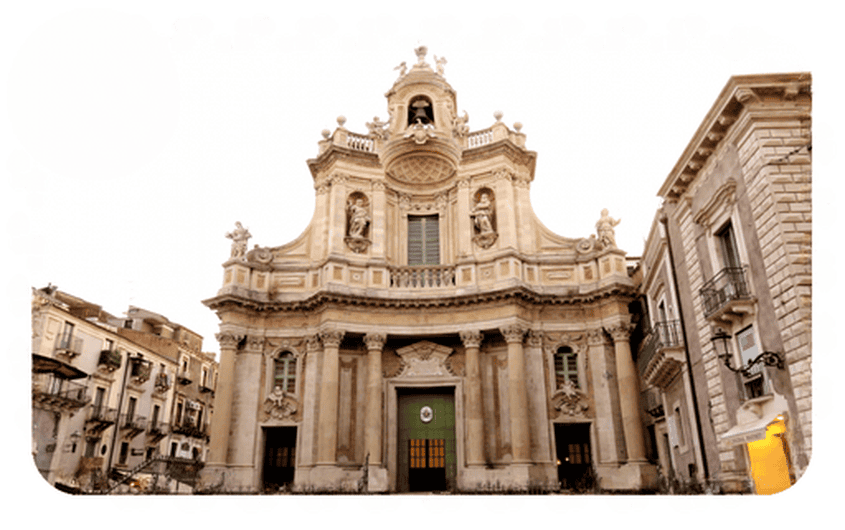
The Basilica of the Collegiate, whose real title is at the Holy Mary of Elemosine, is a church that stands in via Etnea in the Collegiate-San Giuliano district. The first building of this church dates back to the first centuries of Christianity in Sicily: the first believers made, instead of a previous pagan temple dedicated to the cult of Proserpina, a small church dedicated to the cult of the Virgin Mary, in the Byzantine era called Madonna dell'Elemosina. Over the centuries that the Foundation The Church succeeded the church underwent enlargements and changes although the major ones made themselves necessary after the earthquake of 1693. The telluric event in fact razed almost totally to the ground the center of Catania which was reconstructed according to the urban canons of the early 1700s. The basilica of the Holy Mary of Elemosine was reconstructed with a three -navated plant, of which the most long of the other Give room ael choir of the canons, second in importance only to those of the Duomo, which was accessed no longer as it was previously from what is now via Manzoni but from via Uzeda, the current Via Etnea, which was traced during the urban reorganization of the city. The church, elevated with respect to the road surface is connected to this by a large staircase on which, to delimit the churchyard, a wrought iron gate is placed. The facade, as typical of the Sicilian late Baroque, integrates the bell tower at the top of the second order, and is adorned by the statues of San Pietro, San Paolo, Sant'Agata and Santa Apollonia.

Basilica della Magione - Attrazioni Sicilia

Basilica della Magione

Palermo

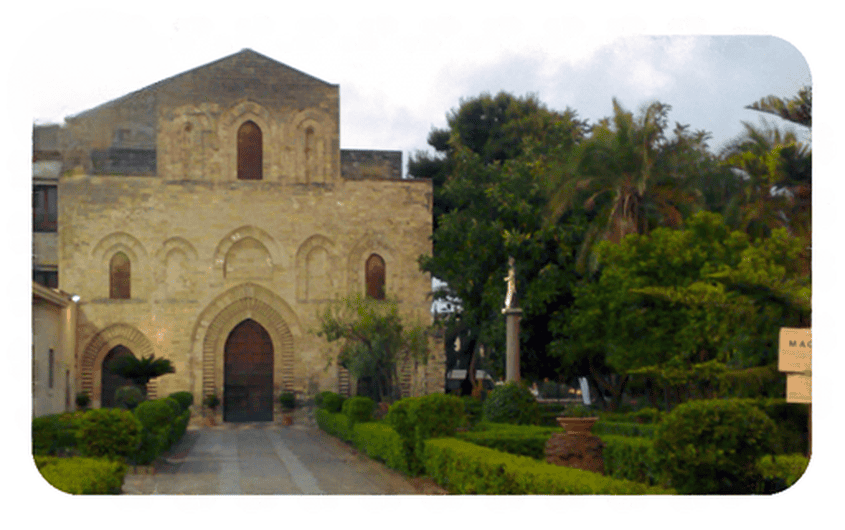
The Basilica of the Holy Trinity of the Chancellor, in Arab-Norman style, is one of the oldest churches in the city and is the last church built in Palermo by the Altavilla and collects the remains of Tancredi of Sicily and his son Ruggero inside. The church took the nickname of the Basilica della Magione when, passed owned by the Altavilla to the Teutonic Knights, became the house of the general general of the order. You can access the church from via Magione through a baroque portal adorned by the statues of faith and charity that introduces the garden in front of the church.

Basilica-santuario di Maria Santissima Annunziata - Attrazioni Sicilia

Basilica-santuario di Maria Santissima Annunziata

Trapani

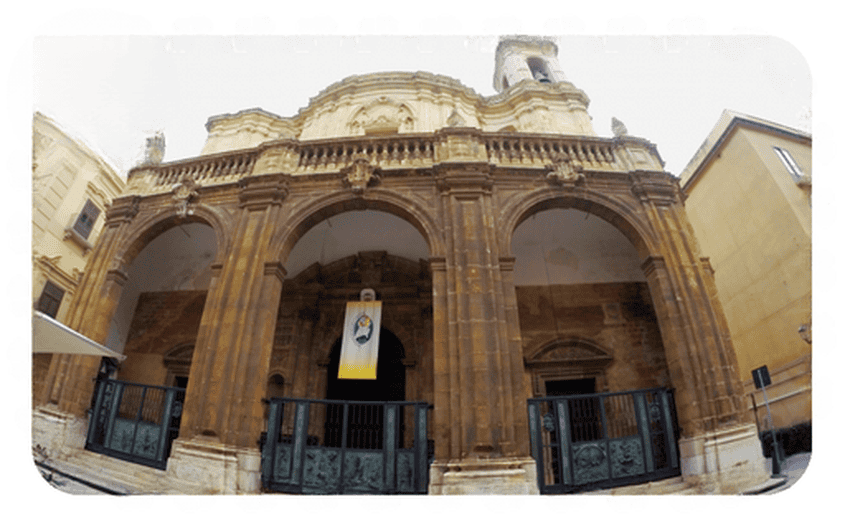
The Basilica-Antuar of Maria Santissima Annunziata, a place of Catholic cult of Trapani dedicated to the Blessed Virgin Mary of Monte Carmelo, is the most famous Marian sanctuary of western Sicily. The Baroque-Renaissance style nave has sixteen silver columns and stuccos. A radial rose window overlooks the main portal. Annexed to the Church is the convent of the Carmelite Fathers, which was the largest of the order in Italy. Most of the premises of the convent is now occupied by the exhibition rooms of the Agostino Pepoli regional museum which also contains the "Treasury of the Madonna". In front of the Basilica there is the garden of the Villa Pepoli, now Villa Comunale. The statue of the Madonna of Trapani is preserved within the basilica with the Child Jesus, in marble pario with a natural size, weighs 12 quintals and is 165 cm high.

Biblioteca Alagoniana - Attrazioni Sicilia

Biblioteca Alagoniana

Siracusa

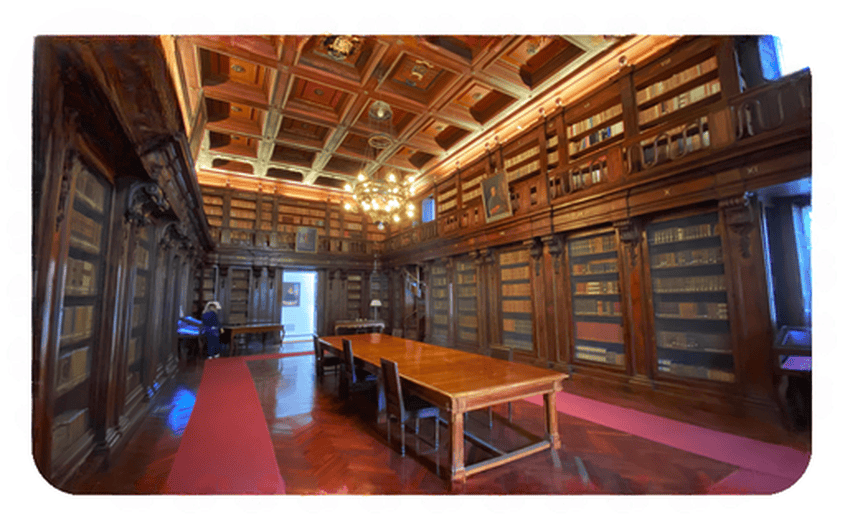
Inside the Archbishop's Palace it is possible to admire the Alagonian library, founded in 1780 by Giovanni Battista Alagona, bishop of Syracuse in the last quarter of the eighteenth century, and since then available to the episcopal seminary.

Canicattini Bagni - Attrazioni Sicilia

Canicattini Bagni

Canicattini Bagni

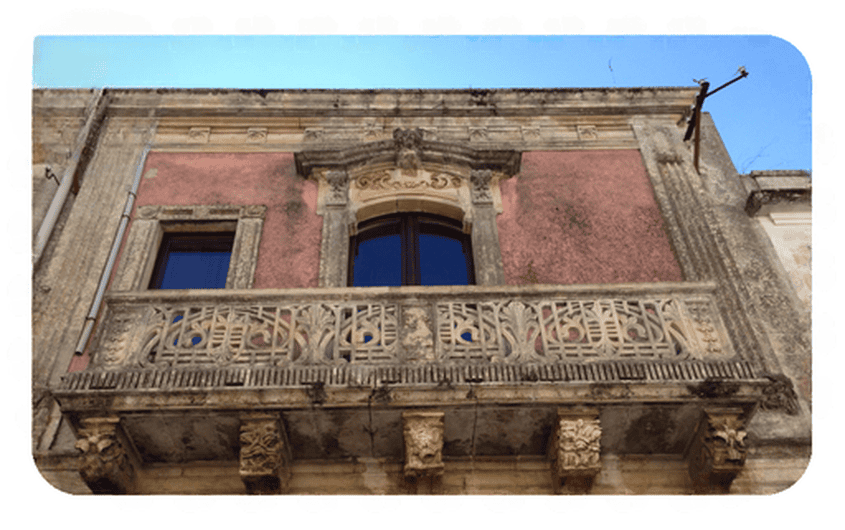
At the center of the suggestive panoramas rich in History of the Ibleo territory stands Canicattini Bagni, a small liberty jewel. The name of the city is of Arab origin although of uncertain etymology. Some theses offer for the derivation from the union of the words "Yhan" or "Ayn", Fontana, and from the adjective "Niatinum" or "Netinum", Netina ", and therefore meaning" Fontana that flows in the territory of Noto ", referring to the source of the Cardinal River. Other interpretations would instead opt for a derivation from the word "Handaq - At - Tin", moat of the mud. The appropriate "bathrooms", on the other hand, does not indicate the presence of Terme, but the belonging of the territory to the Marquis Daniele, lords of the fief of Bagni. The territory of Canicattini Bagni has been inhabited seamlessly by the Neolithic age onwards: various caves, rock houses and necropolises dating back to the Neolithic, at the age of copper and bronze are scattered throughout the municipal area. The position of the settlement became of great strategic importance, however, with the arrival of the Greeks: the Canicattinese plain, located along the ancient Via Selinuntina, became one of the obliged passages between the city of Syracuse and its sub-colonies of Akrai and Kasmenai. It was starting from this period that the exploitation of this territory became more intense and marked by the affirmation of a type of landowner economy that has been forgiven so far beyond the medieval period. The earthquake of 1693 was for Canicattini a reason for demographic increase: numerous families from all the affected territories came to live in the new village on particularly favorable conditions. Demographic growth was constant for the following centuries and led to an urban change in the city and the buildings that made it up: the buildings became the less "rustic" and more "bourgeois" hand. This change touched its peak in the period between the two wars and in the immediate post -war period: the dictates of the Liberty style impotently imposed themselves in the Canicattinese building development and, thanks to the unequaled skill of the Iblei stonemasons, the prospects of the houses in the country became an extraordinary sample of decorative inventions: fruit baskets, hollow balustrades, stone cabochon, Graffiti, plant motifs, appliques, a universe of free creations in which the exuberant and vitalistic thrust of the Sicilian IMager is celebrated and concretized. Old dilapidated houses were demolished and in their place built houses full of floral decorations thus arising "an entire city of Liberty", which constitutes an interesting phenomenon in the panorama of the Sicilian minor liberty. The Liberty style in Canicattini had a long season full of works because he found an environment in favor of welcoming him, which cannot be said today in the light of the wild and reckless demolitions of many beautiful prospects in flowering style.

Cappella Palatina di Palazzo Reale - Attrazioni Sicilia

Cappella Palatina di Palazzo Reale

Palermo

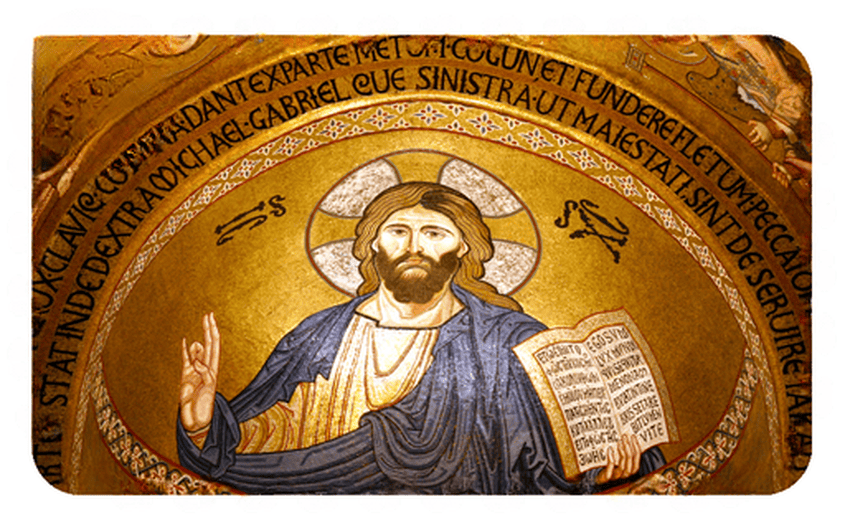
The Palatine chapel is a three -nave basilica located inside the architectural complex of Palazzo dei Normanni in Palermo. The entrance to the public of the church is on the west side of the building, in Piazza Indipendenza. It was built starting from 1129 at the behest of King Roger II of Sicily, as a private chapel of the royal family. The basilica structure was gradually incorporated into the Palazzo dei Normanni structure: the apses are set in the Renaissance wing and the dome and the bell tower, originally visible, have been absorbed in the Spanish era by the growth of the royal palace. The dome, the transept and the apses are entirely decorated in the upper part by Byzantine mosaics, among the most important in Sicily, depicting various biblical scenes, the evangelists and the Christ Benedicing Pantocrator, the image of the greatest impact of the chapel. The Plaltina Chapel is part of the UNESCO serial site "Arab-Norman Palermo and the Cathedrals of Cefalù and Monreale".

Cappella Sveva - Attrazioni Sicilia

Cappella Sveva

Siracusa

The desire to clean up and restore, with the help of the superintendency office, this part of the archbishop's building, is due to Bishop Bignami (1905-1919). The restoration brought to light a Federician age factory datable to the thirteenth century which presents: two cruises with exposed ribbeds closed by a greenhouse decorated with lilies, and two simple cruises.
Caratabia - Attrazioni Sicilia

Caratabia

Mineo

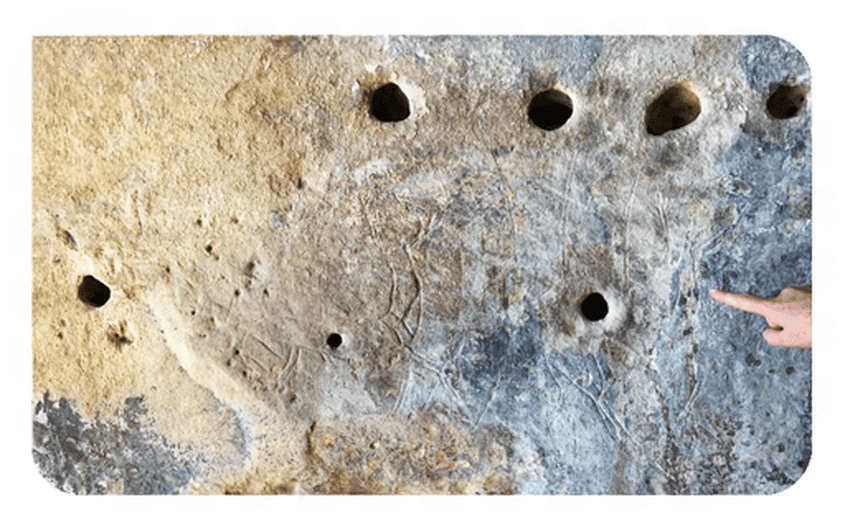
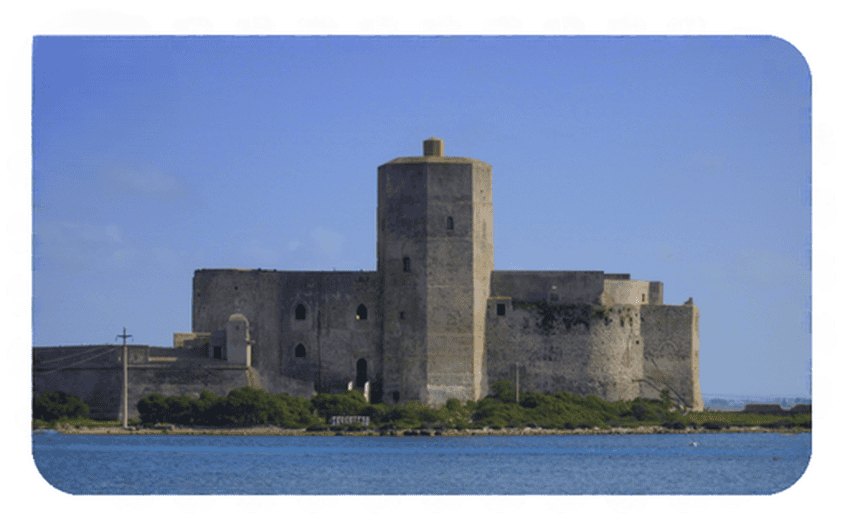
Caratabia or caves of Caratabia are environments datable to the 6th century BC Dugs into the rock sites at Monte Caratabia a few kilometers from Mineo, in the Calatino. The two rock caves are located on the southern side of the mountain. Both with a rectangular plan, the first environment has a first larger room followed by a second minor, while the second is made up of a single environment. What makes this site unique is the presence within a series of scratch decorations belonging to the indigenous culture of the island, that is, the population of Siculi. The decorations include wild boar hunting scenes in the deer with representations of horses and knights, deer and other stylized animals. In the western room, 21 horses are all facing to the right. Their representation is particularly treated, with the presence even of the mane. The position of the legs highlights the meaning of the movement. In addition, both the horses and the knights have their head covered with an helmet, this makes the possibility that it is a military ceremony. In the eastern room, deer are depicted with great detail. They too are lined up and with their heads shot, as if they paid attention to something that attracts their attention. The use has been assumed as tombs for both environments, of which the horse represents not only a means of transport but also a sign of wealth and power. This could allude to the fact that the tombs belonged to members of the Sicilian Elite.

Casa museo di Luigi Pirandello - Attrazioni Sicilia

Casa museo di Luigi Pirandello

Agrigento

A visit to Agrigento cannot be accompanied by a visit to the birthplace of the writer Luigi Pirandello, where the writer was born in 1867, more precisely in Villaseta, a hamlet of Agrigento built in 1853. Villaseta is often mentioned also in the novels of Andrea Camilleri, as an example of an ancient village that grew dysmade during the years of the economic boom, in fact the neighborhood (Contrada Caos), with its recent. expansion, acts as a zipper between the capital city and its port, Porto Empedocle, with which it constitutes a single urban agglomeration.

Casa Natale di Salvatore Quasimodo - Attrazioni Sicilia

Casa Natale di Salvatore Quasimodo

Modica

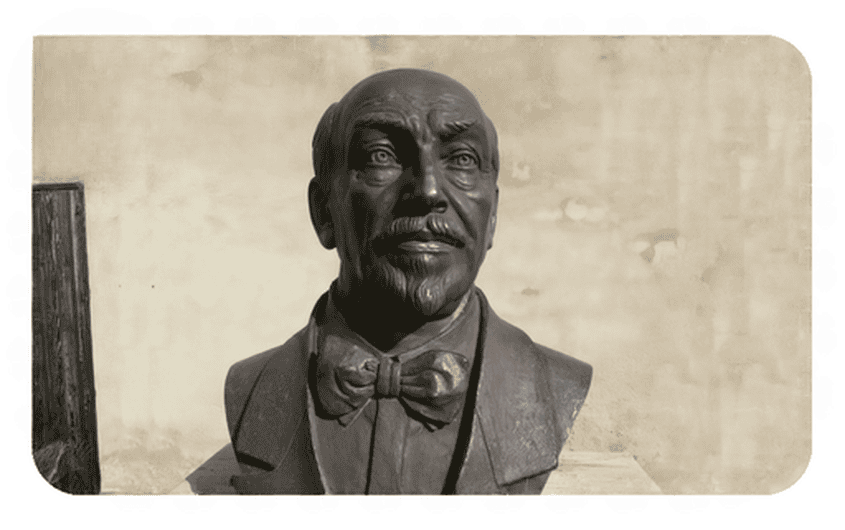
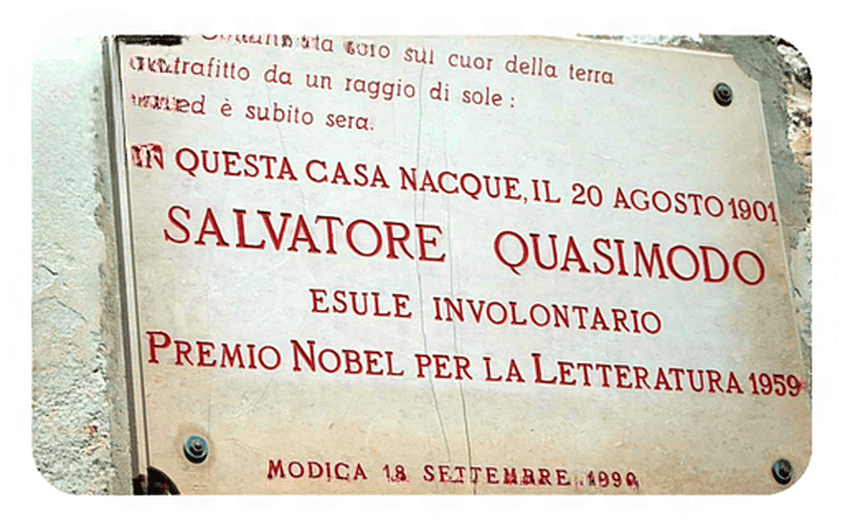
In Modica there is the birthplace of the poet Salvatore Quasimodo, Nobel prize for literature on 10 December 1959. The house retains a wrought iron bed where the illustrious Sicilian was born, a kneeler, a bedside and other furnishings dating back the early twentieth century. In addition, thanks to the sale of his son Alessandro to the Sicilian region in 1996, it is possible to find an old Olivetti writing machine, a desk, a collection of records, a bookshop with attached books from one of the poet's studies of Milan. Finally, thanks to an old stored ribbon intact, visitors can listen to Salvatore Quasimodo directly from the recorded voice, some of his poems and the speech entitled "The politician and the poet" read by himself in Stockholm on the occasion of the awarding of the Nobel.

Castello dei conti di Modica - Attrazioni Sicilia

Castello dei conti di Modica

Alcamo

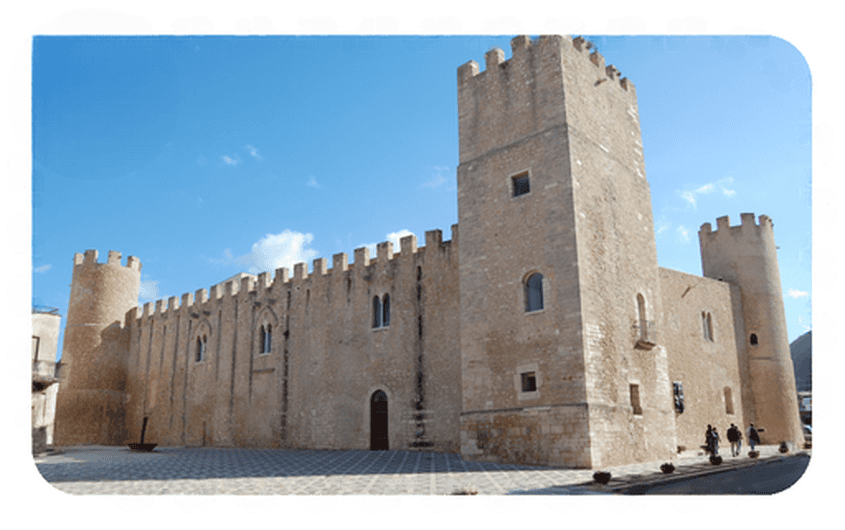
Located in the center of the city of Alcamo, the Castle of the Conti di Modica must actually build its construction in 1340 in Raimondo Peralta, count of Caltabellotta. To the Peralta the Chiaramonte succeeded and from 1410 to 1812 the Cabrera, Conti di Modica, from which he took the current name. It was an imposing castle that, with full speed, equipped with ammunition and food, was able to resist a a siege of a month and a half, hosting 30 soldiers. The castle plant is rhomboid while the central courtyard is rectangular. In correspondence of the tops four crenellated towers rise with a specific function. For example, the Maestra Torre, that of South-East, had a prison function and was a place of torture for prisoners; The North-West was home to the Sentinelle Bars, that of South-East was reserved for guests. On the south-west tower, the coat of arms of the city of Alcamo is visible, carved in marble. On the ground floor there were a chapel and the rooms of the chaplain, the housing of the servants and an insulation cell; On the first floor a reception hall with an anteroom, the Count's study, the master bedrooms and another isolation cell. Starting from 1828, following a sentence of the Trapani court, the Municipality of Alcamo became the owner of the Castle, purchased at the beginning of the 1800s by the Stuart family, and restored in 1870 it was used as the headquarters of the municipal offices, prison (until 1968) and stable. Between 2000 and 2010 after new restorations, the castle was used to host the ethnographic museum, the regional historical wine shop, the wine and traditions museum, a permanent exhibition of the Sicilian puppets and an exhibition dedicated to the sculptural works of Nicola Rubino. Civil weddings are celebrated in a salon on the first floor. Following some structural damage, the castle was again closed at intervals from 2011 to December 2015 when it was partially reopened to the public. Some parts are still not accessible for safety reasons.

Castello dei Ventimiglia - Attrazioni Sicilia

Castello dei Ventimiglia

Alcamo

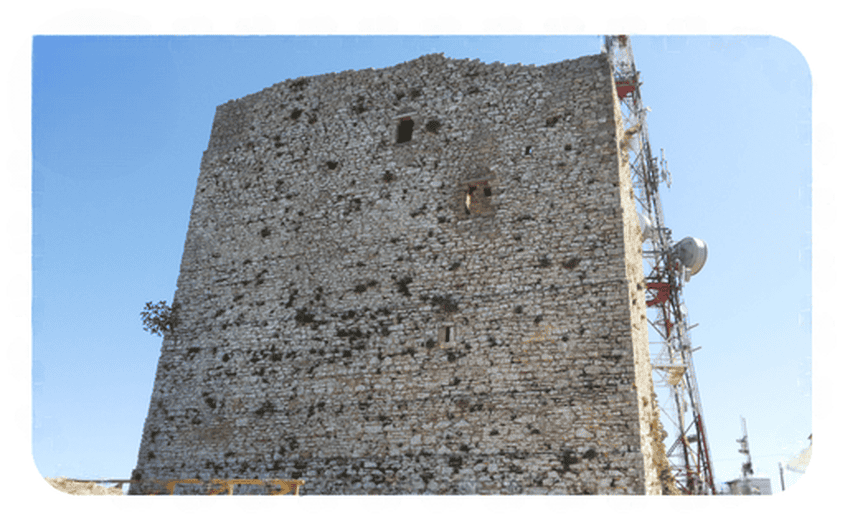
Also called Castello Bonifato because of its Collection on top of Monte Bonifato, the Ventimiglia Castle was built by Enrico Ventimiglia as a sighting and protection point from any attacks on the city of Alcamo. The castle had a rectangle trapeze -shaped plant with four towers at each corner of the walls. To date, the only remaining tower is that of the north-east the most impressive of the castle, the mastio, which was originally high three floors and which was accessed via a removable wooden scale. Inside there were a cistern on the ground floor for the collection of rainwater and detention cells; On the first and second floor of the rooms with vaulted ceiling and wood, one of which with fireplace and on the third floor a room, with probably the stone ceiling, in which the fireworks were lit. It is said that the Ventimiglia Castle was connected through a secret tunnel at Calatubo Castle. Although in 1779 the ruins were inserted Plano of the conservation of the cultural heritage of Sicily by Gabriele Lancillotto Castello, in modern times a radio and television antenna was installed positioned in the center of the Castle walls, deeply and irreparably defaced the morphology of the site.

Castello di Aci Castello - Attrazioni Sicilia

Castello di Aci Castello

Aci Castello

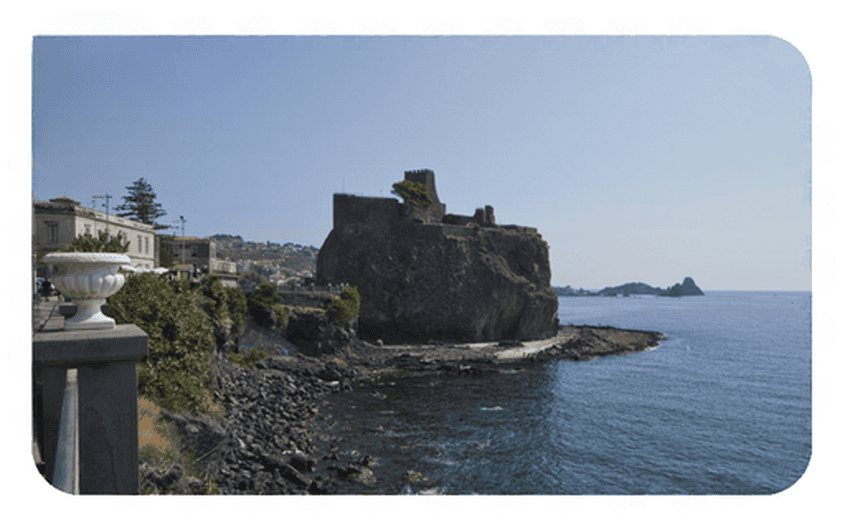
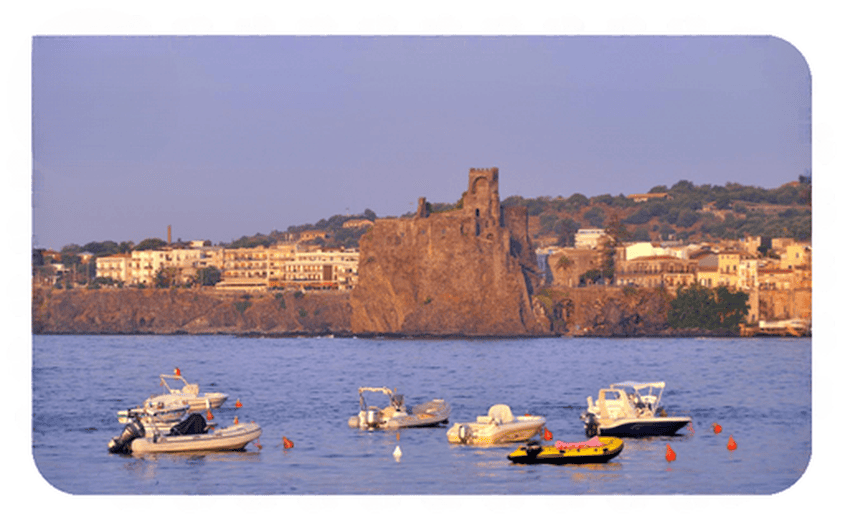
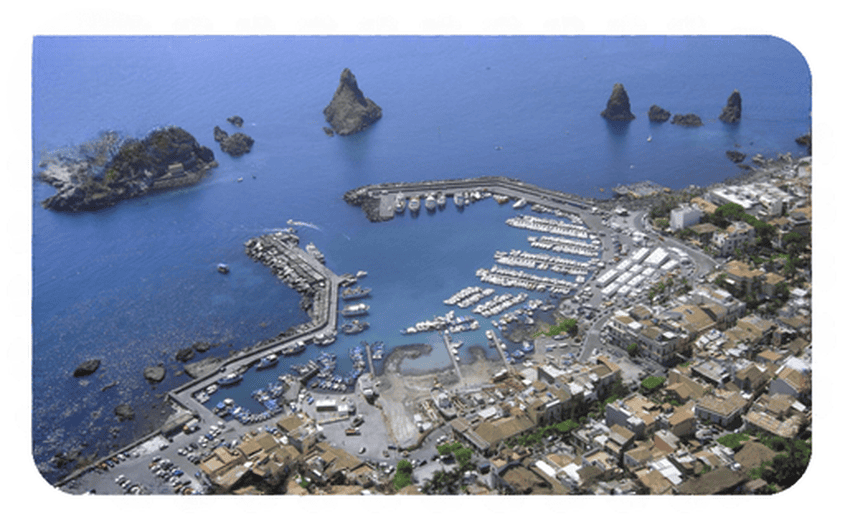
The fortification of uncertain origin was once detached from the stopping land and to access it it was necessary to pass on a drawbridge. In 1169 a disastrous lava casting invested the country, bringing the arms of the sea which divided the cliff from the stopping land, becoming even more the fulcrum of the development of the territory of the ACI from the Middle Ages onwards. It is currently freely visited, it is home to a civic museum including an archaeological section, a geological section on the volcaniti, a mineralogical section and a paleontological section and a botanical garden that counts a collection of plants, especially fat, of considerable interest. From his superior terraces you can also enjoy a splendid view of the Ionian and the nearby protected marine area of ​​the Cyclops Islands.

Castello di Butera - Attrazioni Sicilia

Castello di Butera

Butera

For his strategic position, Butera was coveted prey to all the conquerors of Sicily. Perceived on the steep walls of the hill on it stands there in his castle the central nucleus of the defense of the city. Originally the castle consisted of a system of towers connected to each other by wall curtains, of which parts incorporated in buildings of the following era are now part of the parts. The wide court, enclosed within the walls of the castle, is now used as a public square. Recent excavations made there have allowed the identification of three large underground cisterns within which ceramic fragments of the medieval age have been recovered. The currently existing structure is only one of the towers of the ancient complex. On the front facing the Piazza Vittoria, the only original mullioned window is visible. With the restorations of the last few years, the external access scale to the second level of the tower has been entirely recovered, the walls have been consolidated and the surviving environments were reconstituted in the original volumes. On the north side of the tower, at an altitude of the third level, the missing volume with an iron and glass structure was reconstructed. The third level is covered by a splendid cruise vault ribbed with a noble coat of arms. The current property is public and what remains of the castle is used as an exhibition space.

Castello di Caccamo - Attrazioni Sicilia

Castello di Caccamo

Caccamo

Caccamo Castle is one of the largest and best preserved among the Norman castles in Sicily and Italy. The first construction of the site was probably Arabic matrix, given the strategic position it was exclusively a small fortress with a sighting function. Subsequently, in the twelfth century with the Norman reconquest of Sicily, the structure was expanded. For example, the Hall of the conspiracy dates back to this period: in this environment in 1160, some Norman barons ordered, albeit in vain, the plot against the sovereign Guglielmo I of Sicily. During the Aragonese-Spanish era, the Chiaramontano plant was almost totally canceled, transforming the castle into an elegant palace, enriching it with a series of salons with frescoed friezes and losing the strategic peculiarity it had hitherto covered. In 1823 an earthquake reduced the Torre Mastra: this marked the beginning of a progressive process of decay involved the entire structure. In 1963, the Sicilian Region entered the Castle of Caccamo, starting a long restructuring process in 1974. Today inside the Castle there is the Museum of ancient weapons of the Castle: Maac.

Castello di Calatrasi - Attrazioni Sicilia

Castello di Calatrasi

Roccamena

Calatrasi Castle stands on the eastern peak of Mount Maranfusa, near the town of Roccamena, on a hill that dominates the valley where the Belice river flows. Surrounded by steep rocky walls and reachable through a single access route, the site belongs to the Archaeological Park of Mount Maranfusa, a vast area where some finds have been found that testify to the existence of an indigenous inhabited area, probably Helim, of the Arcaic age. Over the centuries, the castle has undergone destruction and extensions, until they fall into abandonment since the fifteenth century. The building complex occupied an area of ​​about 1000 square meters and in the highest part the rooms for the inhabitants were built, arranged around a central courtyard. It is thought that the construction was initially a simple square plan tower that presided over the valley and that was gradually expanded to the point of maximum expansion, three towers connected together by thick walls to which the living rooms of inhabitants and soldiers were leaning. Today, of the structure that the Arab Idrisi geographer and traveler, in his "book by King Ruggero" describes as "flashy castle and primitive and valid fort to rely ..." remain only ruins with few signs of the ancient construction. Only one of the three towers remained partially visible while the other two remain only rectangular plants, one larger and elongated, the other smaller. The perimeters of the various premises and warehouses are visible of the internal environments, part of the courtyard annex and, inside one of the towers, what remains of a cistern for the collection of water.

Castello di Carini - Attrazioni Sicilia

Castello di Carini

Carini

Born as a medieval fortress at the end of the year one thousand, Carini Castle has undergone from the end of the thirteenth century a series of reconstructive interventions and structural changes that have changed its intended use from military stronghold to the noble residential palace. This has meant that the castle we see today is a mixture of architectural elements that cover styles ranging from the Middle Ages of the sixteenth century. The castle has become famous for the sad story of Laura Lanza of Trabia, better known simply as "La Baronessa di Carini". At just 14, Laura married for reasons of political alliances to Don Vincenzo II La Grua-Talamanca, son of the Baron of Carini. Victim of a poorly combined and discontent marriage of a husband who did not appreciate her, Laura intertwined a long relationship with Ludovico Vernagallo, a cousin of lower rank of her husband. Discovered together the two were killed by her father to safeguard the honor of the Lanza di Trabia family. Located at first by the powerful families, the fact became public domain over the centuries thanks to the oral tradition of the storyteller. In these stories, the truth, investigated and ascertained in the second half of the nineteenth century Salvatore Salomone Marino, merges with the myth: a legend is in fact that on the day of the anniversary of the killing of the Baroness of Carini, in the room where the crime was accomplished on the wall the imprint of the bloody hand left by the unfortunate girl at the time of killing. So much is the fame of the story that in 1975 Rai transformed it into a television script, directed by Daniele D'Anza and played by Ugo Pagliai and Janet Agren, adapted in 2007 and broadcast by Rai 1 for the direction of Umberto Marino with Vittoria Puccini and Luca Argentero in the parts of the protagonists.

Castello di Castelmola - Attrazioni Sicilia

Castello di Castelmola

Castelmola

Built probably in the Roman period, it was reworked and remodeled until 1334 when at the behest of Pietro d 'Aragona it was fortified and made inaccessible becoming for centuries the strongest ring of the Peloritan defensive chain and representing the nerve point to be conquered to take control of the territory by potential invading. The suggestive area of ​​the castle still transmits, to those who observe from the top of its walls, intense emotions and acquires further charm during the falconry shows that are held in the ruins.

Castello di Donnafugata - Attrazioni Sicilia

Castello di Donnafugata

Ragusa

About 20 km from the city of Ragusa stands the Castle of Donnafugata. It was built on the old structure of a thirteenth -century tower by the senator of the Kingdom and Baron Corrado Arezzo in the nineteenth century that had the initial structure enlarged by transforming the castle into one of the most important centers in the world of world life of the Umbertine age. The name Donnafugata derives from the Arabic "Ain-Jafat" and means "source of health". In fact, a legend tells of a woman who prisoner in the castle managed to escape. It would be of the white queen of Navarra who was locked up, by the perfidious Conte Bernardo Cabrera, lord of the County of Modica, in a room from which he managed to escape through the galleries that led to the countryside surrounding the building. Hence the dialectal name "Ronna Fugata", that is "Changing woman". The building occupies an area of ​​about 2500 square meters and unfolds in about 122 rooms. The entrance consists of a large country courtyard flanked by two rows of houses. By crossing it, it is possible to see the Gothic facade Orlata of battlements below which there is an elegant gallery with pairs of columns rich in capitals. The architectural context of the castle is so fascinating that it has stimulated the imagination of numerous directors becoming a real film set several times. Among these we remember Luchino Visconti who shot the historic film "Il Gattopardo" here.

Castello di Falconara - Attrazioni Sicilia

Castello di Falconara

Butera

In Butera, on a luxuriant promontory, the Castle of Falconara stands out, the only one of the manors of the province of Caltanissetta to appear on the sea. The castle, dating back to the fifteenth century, maintained its function of fortress and vigilance against the enemy attacks and the pyrateries up to all the eighteenth century. The tower, the original nucleus of the castle, in addition to defending the activities of a small 'charger', was part of the island's coastal defensive circuit; At the towers of Falconara and Manfria, about 8 km away from each other, was in fact entrusted to control the stretch of coast between Licata and Torrenova, today's Gela.

Castello di Favara - Attrazioni Sicilia

Castello di Favara

Favara

The Chiaramontano Castle of Favara is a castle of the second half of the thirteenth century built, perhaps on an unfinished construction of Swabian origin, around 1280 by Federico II of the noble Chiaramonte family. The building was inhabited until the early seventeenth century, while in the eighteenth century the rooms of the kitchens on the sides of the Ogival portal, now closed, were used as a prison: those on the left were used as a criminal prison and those on the right as a civil prison. The numerous graffiti on the walls left by prisoners during their detention are still visible. The internal environments of the complex are divided into two floors, the lower ones with barrel vaults set with councils and monofor in slit. In its central nucleus, contrary to what one might think, the castle presents itself as a grandiose home with strong residential characteristics, rather than strategic - military.

Castello di Gangi - Attrazioni Sicilia

Castello di Gangi

Gangi

Established on Mount Marone, in the first half of the fourteenth century during the seventeenth century the ancient manor underwent numerous transformations that made him more palace than castle. Subsequently the building was used as a prison until it was acquired first by the Millearì family and, subsequently, in part by a cadet branch of the Ventimiglia family. The facade of the main prospect that turns to the south-west, on the Valguarnera square is included on two old rinsed towers and is adorned with a large bin. The main floor has a long row of balconies with wrought iron railings. The north side of the building is shocked on Viale delle Rimembranze. In 1931, the left wing of the castle was demolished to make room for the municipal aqueduct, while the right wing, the ancient chapel of the castle, also restored, became over time the church of the mountain with an adjoining convent of the friars minor.

Castello di Lipari - Attrazioni Sicilia

Castello di Lipari

Lipari

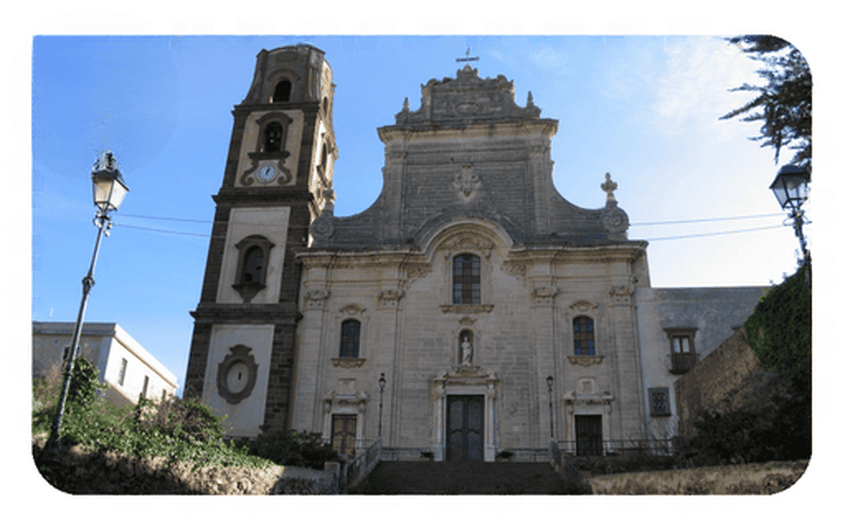
Lipari Castle, built on a rock overlooking the sea, dominates with its grandeur and magnificence all the inhabited area that surrounds it. The fortified citadel, known with the name of Civita, includes the castle and other buildings, including the Cathedral, and separates the long navy, north, from the short navy, to a south. In 1950 they began archaeological excavations that made the reconstruction of 10m of historical-cultural stratification of the Civita possible and were brought to light from finding that testify to how this part of the island was inhabited by 4000 BC. in the days of today. The Norman period date back to the foundation of the Monastery of San Bartolomeo and the subsequent construction of the cathedral to the same saint entitled. The current castle is made up of the structures built in the sixteenth century, on the order of Charles V. In this era, the walls still visible today that incorporate the Norman towers of the twelfth century and the fortified door present among these which still acts as an entrance to the castle were also built. The civita was inhabited permanently until 1700 although there were no intact homes of that period. The churches of Santa Caterina and that of the Addolorata are seventeenth -century. Today some of the internal spaces of the Castle are used as the seat of the Aeolian Regional Archaeological Museum: many of the finds found during the excavations of 1950 are visible in its rooms.

Castello di Lombardia - Attrazioni Sicilia

Castello di Lombardia

Enna

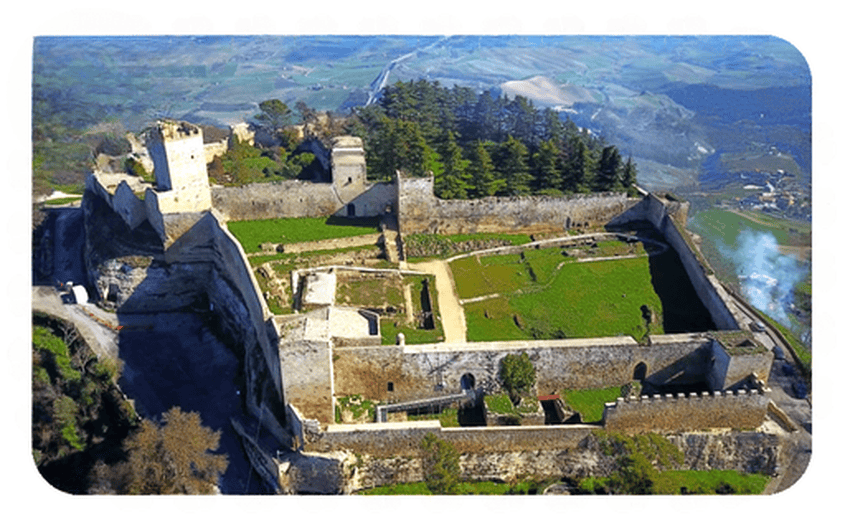
Enna, who stands on the climax of a terraced mountain offshoot, in a very panoramic place, for its central position on the island, is nicknamed since the most remote times "navel of Sicily". The Castle of Enna is the symbolic building of the city and, considered by scholars the oldest and most impressive in all of Sicily, owes its name to the fact that during a Norman domination, of the Lombard soldiers they placed themselves in its defense. It was built by the Sicans about two thousand years ago, on the highest part of the mountain and for this reason testifies to Byzantine, Norman and Swabian elements. The Castle allowed the city, which was in its near, to take on a leading role, first in the Sicano people and then among the Greek polis of the island. The city became a solid military stronghold so much so that the Romans were forced to pass by the sewage network to conquer it. Important renovation interventions at the castle were carried out first during the reign of Ruggero II of Sicily in 1130 and then by Federico II of Swabia who also ordered the construction of 20 towers in order to strengthen the close walls around the residential atri. Originally the castle had 20 towers, now there are only six left, including the Pisan tower from which you can enjoy a spectacular panorama. Today the Lombardy Castle constitutes the architectural symbol of the city even before the Tower of Federico II, one of the most visited in the Sicilian hinterland, the right location to welcome the Federician week with its medieval markets and the games of the neighborhoods, all strictly in vintage clothes. Of pentagonal plan and square towers, the castle has walls, defensive belts, ten towers and in the internal part of drugs of which one was transformed into the theater today. The castle has three doors: the main one that opens towards the city, a second door that opens in the west wall and a third that opens around noon. Inside the castle also a small church and the home of the emperor.

Castello di Modica - Attrazioni Sicilia

Castello di Modica

Modica

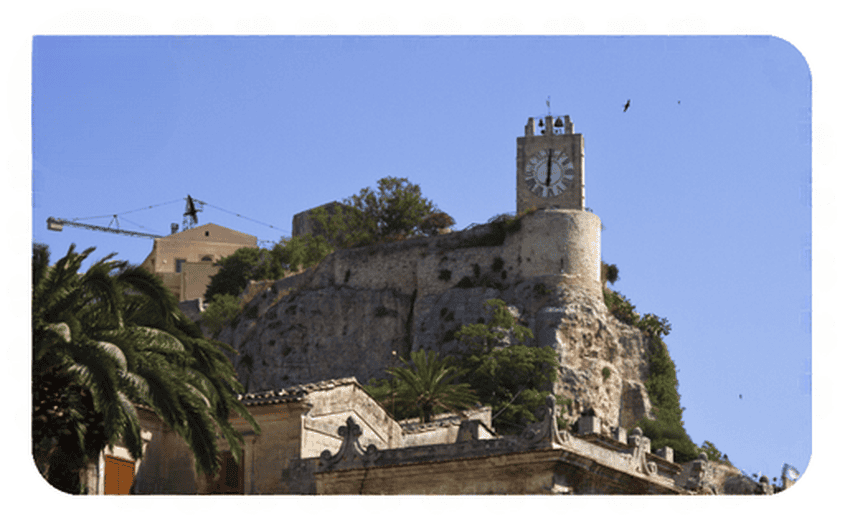
The Castle of Modica was for centuries the seat of the political and administrative power of the County of Modica. In fact, in addition to the residence of the governors of the County, fortified military and justice garment, being located, from 1361 to 1865, of all the district offices, the Court and the prison. With the Unification of Italy, the Castle of the Conti was definitively abandoned, and the whole administration of justice was transferred elsewhere, mainly in stable expropriated to religious orders. The castle and stands on a rocky promontory that is difficult to attack, with two out of three sides consisting of overhanging walls. Outside today there is a polygonal tower of XIV sec while in the internal courtyard the medieval prisons can be visited, a series of square rooms obtained from the rock, each reserved for a specific category of prisoners: women, common sentences, gentlemen, people waiting for trial. For the most dangerous brigands there were, one is still visible today, two large pits about seven meters deep, closed above by a mighty iron grate, from which light and air entered. In the same courtyard there is the church of the Madonna of the Medaliere built in 1930 on the ruins of the church of San Leonardo, which was comfort for prisoners until 1865. Cultured due to the earthquake of 1693, or demolished because it is a hindrance to the modern urban development of the area, almost nothing remains of the five towers, the four doors and the walls of the ancient manor. Recently it came to light, and made usable, a suggestive underground tunnel dug in the rock, which pierces the rocky spur on which the castle stands. The castle is today the protagonist of a large project of modern reuse as a congress center: the renovations, almost real archaeological excavations, are bringing to light many finds that cover a vast period of time, from the ancient bronze at the end of the nineteenth century to underline the dense stratification and historical importance of the site on which the castle stands.

Castello di Mussomeli - Attrazioni Sicilia

Castello di Mussomeli

Mussomeli

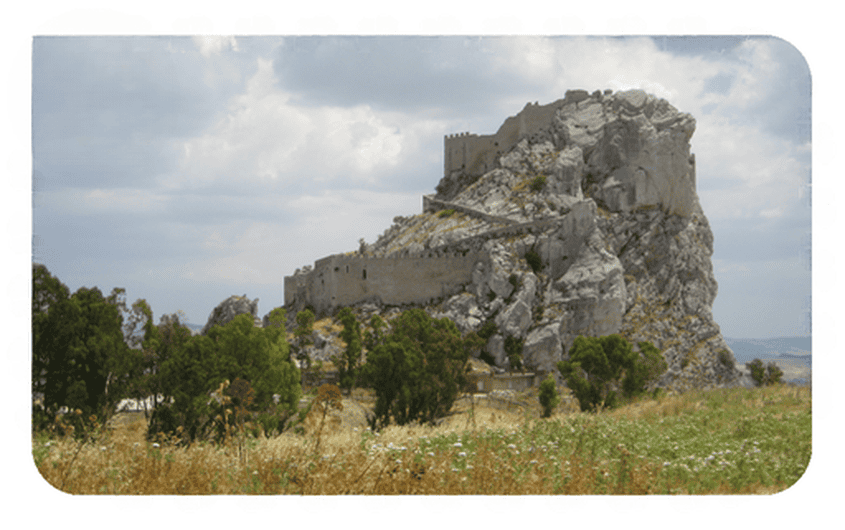
Among the 200 fortresses present in Sicily it is undoubtedly at the Mussomeli Castle that the palm of the most inaccessible and impregnable is due. Masterpiece of military architecture of the XIV and 15th centuries, it was erected by Manfredi III Chiaramonte, one of the four vicars who ruled the island during the reign of Queen Maria in 1370. The located about 2 km. From the inhabited center, arranged at different altitudes up to 780 meters, it seems to create one with the limestone cliff that is insulated in the Caltanissetta countryside. Mussomeli Castle offers a unique show: its mighty walls give the place a surreal and timeless aspect and has always been a point of reference for those who are interested in the occult, due to the crown, the complaints and the sighs that can be heard inside. There are numerous hypotheses on the origin of these strange noises; Certainly it is not difficult to believe in the presence of spirits that wander for the castle, given the substantial number of dramatic events to which it has been the background. The first legend attributes Federico to the rich and powerful possession of the fortress. He had three sisters with extraordinary beauty: Clotilde, Margherita and Costanza. Prince Federico, having to leave for the war and not knowing who to entrust the custody of the three young sisters, decided to lock them in the Care, making the door murder, after having reassured them and having provided them with the food necessary for the entire duration of his journey. But the war lasted more than expected. Three, in the grip of despair, tried to survive as long as possible to fasting, even trying to feed on the shoes they wore. After the war, the brother rushed to the castle and found his sisters dead, with his shoes still between his teeth. Since then, in what is called the room of the three women, complaints have been heard, obviously attributed to the sisters of Prince Federico. Another legend is the protagonist Laura Lanza, Baroness of Carini, daughter of Cesare Lanza, the only owner of the castle in 1500. The history has handed down that Cesare Lanza, suspecting that the daughter entertained with Ludovico Vernagallo, Laura's childhood friend, an extramarital relationship, to defend the good name of the family, he went to the castle of Carini and killed it later in the Castle of Mussomeli escape from remorse. Even today the spirit of the Baroness of Carini wanders for the castle in search of the father. His almost perfect materialization appeared to several witnesses: he would wear '500 dresses, that is, a silk skirt with a bodice wrapped in a finely worked shawl. The last tragedy that took place in history concerns Don Guiscardo de la Portes, a young son of a rich merchant, born in Spain in 1370 and madly in love with his wife Esmeralda, from whom he was waiting for a son. Started for orders of the King Martino in 1392 to Palermo, he died at the hands of Don Martinez, a pretender of the young Esmeralda. Before dying, in a moment of bewilderment, Guiscardo was impracted against God, condemning himself to wander for a thousand years on earth, within the walls of the castle.

Castello di Naro - Attrazioni Sicilia

Castello di Naro

Naro

Like the foundation of the city, the foundation of the castle of Naro also has its roots in the myth. In fact, it is said that it was erected by the giants who first lived in Sicily. Much more likely is a first construction by the Sicans, a subsequent use by the Arab populations, and a re -enact in the Chiaramontana era that has imprinted the structure the aspect that is still largely visible today. The castle, with a rectangular plan with a non -centralized courtyard on which the housing of the garrison, the chapel and the stables overlooked, presents the cylindrical and square towers along the walls. Inside the square tower there is in the room of the prince covered by once in a pointed barrel, strengthened by a traversed median arch is illuminated through two typically Gothic mullioned windows. From the top of this tower you can also take advantage of a splendid panorama which, on the clear days, reaches the cities of Caltanissetta and Enna and, towards the east, also to Mount Etna. The castle can be visited, it hosts the permanent exhibition "wind of women", collection of mostly feminine clothes and accessories of the late nineteenth and early twentieth centuries, and is also used for temporary exhibitions and for weddings with civil ceremony.

Castello di Palazzolo Acreide - Attrazioni Sicilia

Castello di Palazzolo Acreide

Palazzolo Acreide

The castle of Palazzolo Acreide, also called Rocca di Castelmezzano, was certainly the cornerstone of the Byzantine defense in south-eastern Sicily. Thanks to the conformation of the cliff close to the ancient living nucleus of the country on which it was built, the Rocca could control the entire Valley of the Anapo even managing to establish a visual contact, and therefore a possibility of communication, with the Buscemi Castle. The ruins today can be visited thanks to the recent consolidation, safety and cleaning of the site.

Castello di Pentefur - Attrazioni Sicilia

Castello di Pentefur

Savoca

The Pentefur Castle, of which few ruins remain today, is located on one of the two hills on which the municipality of Savoca stands, in the province of Messina. According to an ancient medieval legend, the castle was built by five thieves evaded by the Taormina prison, the legendary Pentefur, who created their hiding place or command quarter there to conduct flows for the neighboring districts. However, based on recent studies, the word "Pentefur" would derive from the fact that in the Byzantine era, the original inhabited area had started again in five neighborhoods. Starting from the 9th century, the castle was frequented and adapted by the Arabs but the current structure was certainly built by the Normans who made it the summer residence of the Archimandrita di Messina, feudal ladies of the Baronia of Savoca. The Archimandrita Messina spent, together with its court, the summer months of the year inside the Pentefur Castle, which was also equipped with a chapel, the current church of San Michele.

Castello di Pietrarossa - Attrazioni Sicilia

Castello di Pietrarossa

Caltanissetta

Of the ancient Castle of Pietrorossa, only a few ruins remain today. The first construction of the castle is still today, despite the studies, wrapped in mystery. The only certain information on the castle concern the period following the settlement of Ruggero i D'Altavilla and the pre-nomanna history has been lost all traces. The origin is probably Byzantine and dates back to the end of the VIII century. Although quite supported is also the thesis of a foundation by the Arabs. The fortress is located on the eastern margin of the historic center of Caltanissetta near the ancient Arab district of the city, and dominates, from the top of the limestone fortress on which it stands, the whole valley of the Salso river, managing to be even visual connection with the castle of Pietraperzia in the province of Enna. Originally the castle, accessible exclusively through a steep path from the front facing the city, was very impressive and rich in environments used to receive kings and dignitaries. It was articulated on various levels and was made up of three towers connected by wall curtains, of which today the remains of the central one, about 25 meters high and of the North lookout tower are today. In 1407, the castle passed on to the Moncada family and here began its period of decline as it was considered unsuitable as a noble residence so much so that at the end of the fifteenth century the basement of the castle were even used in prisons. On the night of February 27, 1567, due to the inconsistency of the rock on which it had been built, much of the unosskable fortress collapsed. Only a few embankments remained standing, two towers and a thin watchlot. In 1591 the maintenance works of the castle were started, however, which ended up becoming actually dismantling work as the materials were reused for the construction of new buildings in the city. Following this progressive dismantling, in 1600 the corpse of Adelasia was found, grandson of Ruggero d'Altavilla, surrounded by a copper crown that indicated its name and offspring. It probably owes its name to the type of stone used for the construction, part of which it is still visible, which has been reused in the masonry of the attached convent of the reformed fathers.

Castello di Pietratagliata - Attrazioni Sicilia

Castello di Pietratagliata

Aidone

The Castello dei Gresti or Pietratagliata which stands out on an imposing rocky ridge of a beach nature, is located in the center of the triangle that unites Aidone, Valguarnera and Raddusa. To date, only Ruderi remains, however the structure of the fortress remains identifiable thanks to its powerful tower and a series of ingued rooms. Dating back to the 14th century, the castle is the protagonist of a legend portrayed on some silver coins found at the end of the nineteenth century. In fact, on the coins in question, the figure of a gallop knight who seems to have had the race in the race to read and interpret the Latin writing of the epigraph placed at the top of the taller architrave of an ogival window of the Sicilian castle was clearly distinguished.

Castello di Santa Lucia del Mela - Attrazioni Sicilia

Castello di Santa Lucia del Mela

Santa Lucia del Mela

The Castle of Santa Lucia del Mela is located on the Mankarru Colle, in the province of Messina, and dominates the courses of the "Flor Spinestrate" and "Apple" streams. The millennial protagonist of the city on which he stands during the various Greek, Roman, Byzantine, Arab, Norman, Swabian, Aragonese and Spanish dominations, the castle is still in excellent condition despite having immediately tampering, reconstructions and long restoration works that make it usable in all environments. Today the seminar is used as a spirituality house and hosts the missionary movement of the Holy Spirit consisting of Mexican volunteers and is also a reception center for pilgrims, organized groups, which are collected for whole days of study, prayer and spiritual exercises. The Castle of Santa Lucia del Mela is the centerpiece of all the manifestations of the medieval village.

Castello di Sperlinga - Attrazioni Sicilia

Castello di Sperlinga

Sperlinga

More than a castle, a fortress could be considered, built on the top of a rock around the year 1080 with a drawbridge, prisons, sighting towers, fuchines where weapons were forged. We are talking about the Castle of Sperlinga, one of the most fascinating in all of Sicily, with a very panoramic view and not suitable for those suffering from dizziness! The Castle of Sperlinga is a rare example of the rock castle, partly excavated in the rock and probably dating back to the period prior to the Siculi Pre-Greeks (XII-VIII century BC), partly built on the same rock, around the year 1080. It was the seat of the Conti di Ventimiglia until 1597, then of the principles of Sperlinga Natoli (1598-1658), and therefore of the Dukes of Sperlinga Oneto. (1658-1861), the last of which granted it in emphyteusis to Baron Nunzio Nicosia, whose descendants donated it to the Municipality of Sperlinga in 1973. There is a posthumous writing in Latin carved on the pointed arc in the entrance hall of the castle, by the prince of the castle Giovanni Natoli: "Quod Siculis Placuit Sola Sperlinka denavit", this posthumous writing refers to the events of the Sicilian Vespers (1282) when a French garrison of Angioini took place inside the castle and resisted the siege for over a year.

Castello Incantato - Attrazioni Sicilia

Castello Incantato

Sciacca

Positioned outside the center of Sciacca, the enchanted castle is a work of art by a local artist, Filippo Bentivegna, who lived between 1888 and 1967. More than a castle, it is a museum-jerze dotted with sculptures depicting characters who, in the imagination of the artist, represented the subjects of his small kingdom. Some of the statues of Bentivegna have been removed from their context in the park and are now preserved at the Art Brut Museum in Lausanne.

Castello Maniace - Attrazioni Sicilia

Castello Maniace

Siracusa

Walking towards the extreme tip of Ortigia with the sea alongside, here is the imposing Maniace Castle, of the Swabian era, which dominates south of the island, in an ideal position for the control of the maritime streets. The original plant of the Maniace Castle is due to the emperor Federico II of Swabia, who entrusted its construction to the architect Riccardo da Lentini between 1232 and 1239, shortly after returning from the crusade to the Holy Land. The construction took place in the same period of time in which some other "Federiciani" castles of Sicily and southern Italy arose. However, there is also the thesis according to which the castle derives its name from Giorgio Maniace, a Byzantine general who in 1038 regained the city for a short period, at the time in the hands of the Arabs. The castle has a powerful quadrilateral structure and the four corners of the construction are four cylindrical towers inserted harmoniously in the wall. Castello Maniace is accessible through the Carraia gate of the former Abela Sita, in Syracuse, in Piazza Federico di Svevia. Crossing the subsequent courtyard there is a masonry bridge that addresses to a door, with side columns, of the Spanish era (16th century). This bridge replaced the ancient wooden drawbridge that climbed the moat surrounding the castle at the time of the construction and separated it from the extreme southern tip of Ortigia; The wide moat, filled in the sixteenth century, put the large port with the open sea and in Ponte raised in communication allowed a better defense of the castle in the event of an attack. It contrasts with the general aspect of the work, pre -eminently military, the decorated marble portal, whose depth of the strombature was exploited by the manufacturers to create artistic virtuosity. Although seriously eroded by time and damaged by the work of men, among the external jambs and internal pillars, a series of marble columns with hooked leaves still allow the identification of four zoomorphic figures, arranged two on each side, of probable symbolic meaning: in fact, two figures of lions and a hippogrifo are identifiable; The lower arch and the archival have floral motifs. An seventeenth -century imperial coat of arms is placed at the top of the object of the portal itself. The main interior room consists of 24 times more one that should represent the kingdoms of Federico II with that of Sicily in the center.

Castello Ursino - Attrazioni Sicilia

Castello Ursino

Catania

Ursino Castle, founded by Federico II of Swabia in the thirteenth century and today Civic Museum, had a certain visibility during the Sicilian Vespers, first as the headquarters of Parliament and later, residence of the Aragonese sovereigns including Federico III. Castello Ursino is a large building complex in Ali with central courtyard. At the four corners there are circular towers slightly above 10 meters and of the semi -cylindrical towers only two have been preserved. The walls, on the other hand, are all made of lava stone. Inquisite in 1932 by the Municipality of Catania and subjected to restorations, today the castle is located in the historic center and, since 20 October 1934, it is used as a Civic Museum of Catania, hosting exhibitions and theatrical performances of international scope.

Castel Sant'Angelo - Attrazioni Sicilia

Castel Sant'Angelo

Licata

Castel Sant 'Angelo stands at the center of the Archaeological Area of ​​Finziade, the first Hellenistic urban agglomeration of today's Licata, on Mount Sant'Angelo that dominates the area. Founded in 1615 and completed in 1640 it constitutes a rare example of Sicilian Baroque fortress. The plant develops around a triangular court with central hypogea cistern. The only access to the mighty walls was through a drawbridge that crossed the moat that ran around the whole castle. Born with military functions, he was used, from 1849 to 1856, in auction telegraph for state service and subsequently became a garrison of the military areonautics until 1965 Renovated in the 1980s it is now completely usable.

Catacombe di San Giovanni - Attrazioni Sicilia

Catacombe di San Giovanni

Siracusa

The Syracusan underground cemetery complex, according to as importance and total extension only to that of Rome and formed by the sum of the catacombs of San Giovanni, of those of Vigna Cassia and Santa Lucia, dates back to the late Roman imperial period. Located under the church that give him his name, the catacombs of San Giovanni, built between 315 and 360 AD, are famous because they are said that the apostle Paul here preached to the first Christians of the West. Changed in the centuries following their foundation also due to the construction of the church above and plundered with relics and treasures, today they are the only catacombs of Syracuse always open to the public and totally explored.

Cattedrale della Natività di Maria Santissima - Attrazioni Sicilia

Cattedrale della Natività di Maria Santissima

Siracusa

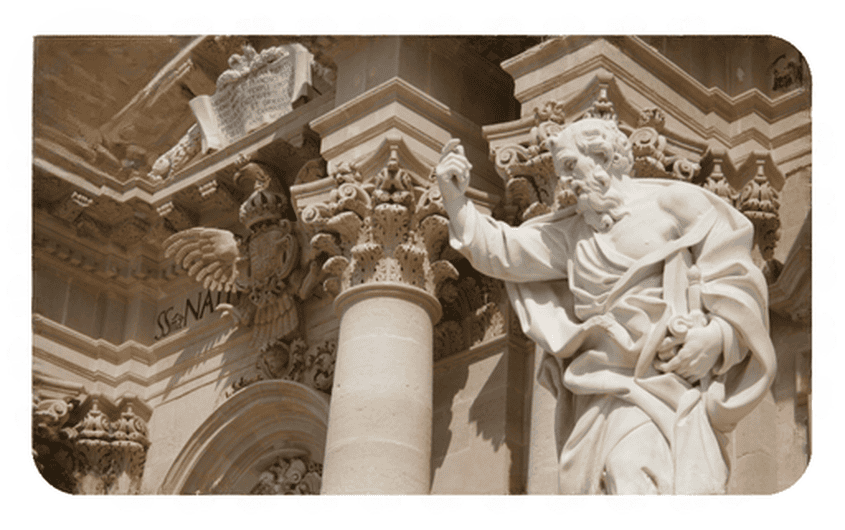
Built on the highest tip of the island, in a square with an esoteric elliptical shape, the cathedral of Syracuse dedicated to the Nativity of Maria Santissima is a amazing and unique work in the world, the first Christian community to be born in Europe in 640 AD. First Greek temple dedicated to the Atena goddess, of which he still retains the magnificent columns today, then transformed into the early Christian basilica by San Pietro himself, then still remodeled by the Normans during their domination and finally completed extraordinarily in Baroque style in 1753. This is in summary the history of the splendid cathedral of Syracuse. If his style outside is mainly Baroque and Rococo, the cathedral inside alternates parts dating back to the Siceliotic era, since they belonging to the Greek temple and parts dating back to the medieval time, built precisely by the Normans towards the seventeenth century and thus left to the current days. Its internal structure is composed in different naves and chapels, which have a classic and decorated style, typical of the Baroque too. Of great religious meaning, it is the treasure chest of relics and remains of saints, martyrs and siracusans nobles.

Cattedrale della Santa Vergine Maria Assunta - Attrazioni Sicilia

Cattedrale della Santa Vergine Maria Assunta

Palermo

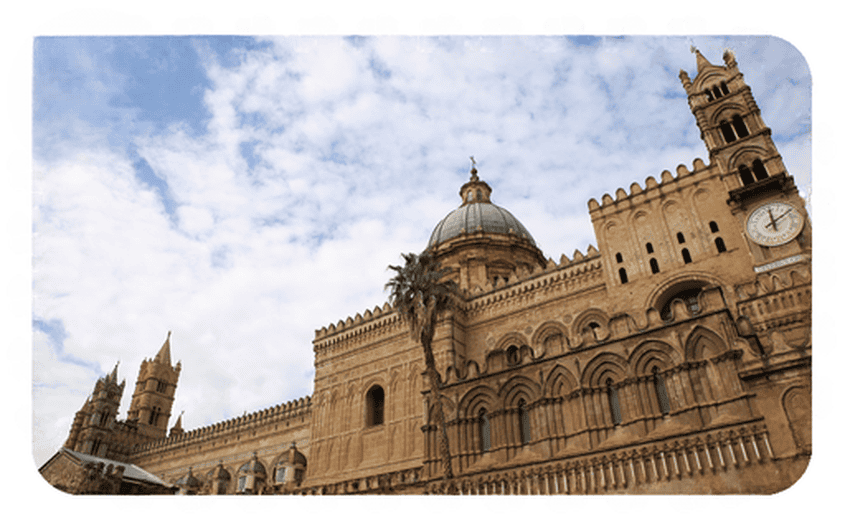
The story of the cathedral of Palermo tells the story of Sicily and its capital. For this reason our journey begins right from here, from one of the most representative symbols of the city and the Arab-Norman style.  Dedicated to the Virgin Maria Santissima Assunta in Cielo, the Cathedral of Palermo is an architectural complex of different styles, dating back to the various construction phases.  In this cathedral, symbiosis between the history and art of the last millennium, in addition to the Norman sovereigns, the King Vittorio Amedeo II of Savoy and Carlo III of Bourbon were also crowned, important figures of Sicilian history. Outside, the cathedral is flanked by four Norman period towers, to the south it is connected to the archbishop's palace with two large ogival arches on which the bell tower stands with the clock. The Gothic appearance is given by the presence of the bifore towers and the columns and the arches with arches along the right side of the structure.  The portal of this entrance is the work of Antonio Gambara, performed in 1426.  The interior of the cathedral has undergone profound transformations between the end of the eighteenth and early nineteenth centuries; It is Latin cross with three naves divided by pillars. In the right nave, the first and second chapel, keep the imperial and real tombs of the Normans, around which curious romance stories revolve rich in interest, concerning Roger II and Federico II. In this regard, the sarcophagus of Federico II is surmounted and surrounded by a canopy of porphyry columns and the urn is supported by two couples of lions. With the remains of Federico II, the remains of Pietro II of Aragon were also preserved. The other tombs are those of Costanza d'Aragona wife of Federico II, of Guglielmo, Duke of Athens son of Federico III of Aragon, and of the empress Costanza d'Altavilla, mother of Federico II.  During the most recent works, a marble meridian with colored tarsie representing the zodiac signs was built on the floor of the central nave. The rich altar of the sacrament, in bronze, lapislazzulo and colored marbles, was made on a design by Cosimo Fanzago in the seventeenth century.

Cattedrale del Santissimo Salvatore - Attrazioni Sicilia

Cattedrale del Santissimo Salvatore

Mazara del Vallo

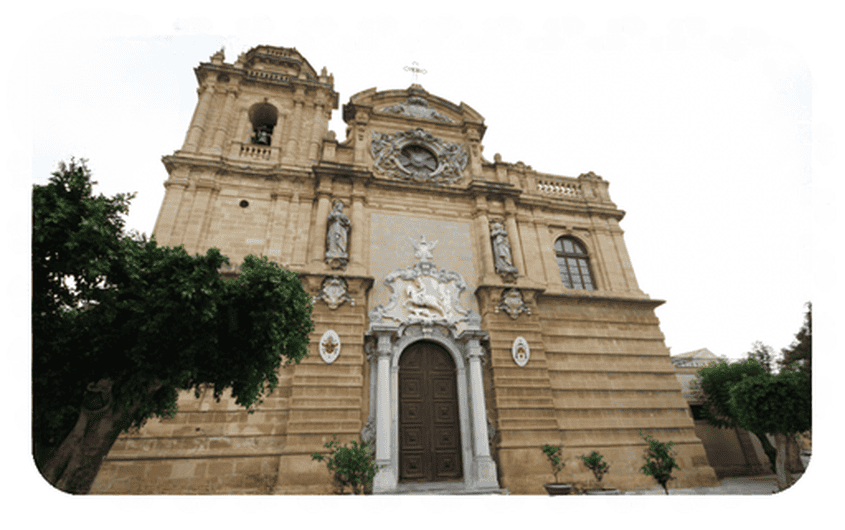
The Cathedral of Mazara del Vallo was built, at the end of the twelfth century at the behest of Ruggero I, following a vote made in 1072, on the ruins of an ancient basilica destroyed by the Saracens. In fact, the great count of Sicily swore that if the Blessed Savior had allowed him to defeat the Arabs near Mazara he would have built a church in his honor. In the Renaissance the building is totally remodeled to meet the aesthetic taste of the period. The facade, the chapel of Santa Maria del Soccorso, a library and a room for the conservation of the cathedral treasure and for the collection of tapestries. Around the end of the 1600s, the bad conditions of the cathedral forced to strict renovation interventions which, however, radically transformed the previous structure by transforming it into the Latin cross -term baroque cathedral that we see today: of the original construction, only the walls of the transept and the apse are preserved. Inside there are works of particular beauty such as a thirteenth century wooden crucifix, three Roman sarcophagi, a marble portal of 1525, the marble ciborium and the frescoes of Gianbecchina.

Cattedrale di Nicosia - Attrazioni Sicilia

Cattedrale di Nicosia

Nicosia

The Cathedral of San Nicolò in Nicosia in the province of Enna, boasts an imposing Gothic-Norman portal which for beauty is called "Porta del Paradiso". Originally the portal presented four statues at the base depicting the cardinal virtues prudence, fortress, justice and temperance and three others above the eardrum that instead depicted the theological virtues of faith, hope and charity. The Cathedral of Nicosia, dedicated to San Nicola di Bari, was erected in the twelfth century, under the kingdom of Federico II of Aragon was declared a national monument on November 21, 1940.

Cattedrale di Noto - Attrazioni Sicilia

Cattedrale di Noto

Noto

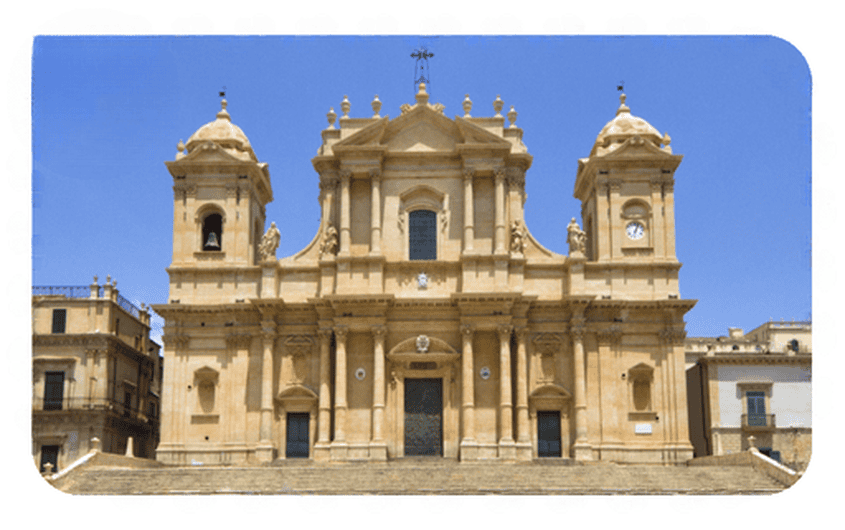
The construction of the Cathedral of Noto, dedicated to San Nicolò bishop of Mira, dates back to 1694, in the context of the construction works of the new city of Noto after the earthquake of 1693 destroyed known ancient. The works were quite short and the church was completed in 1703. In the following centuries, however, both internally and externally, there were many interventions and changes, which conferred the current appearance only at the end of the nineteenth century with the erection of the new dome, causing the cathedral to be characterized by a strong artistic eclecticism. The facade, whose scenographic impact is enhanced by the large staircase that precedes it, is in late Baroque style with three large portals and two side towers. The interior is Latin cross with three naves, of which the wider central one of the lateral ones, in which works of art from Noto Antica are kept, including the silver urn containing the mortal remains of San Corrado Confalonieri. In the 1950s, the restructuring interventions were implemented which, among other things, provided for the replacement of the original tile coverage resting on the wooden structure of the central nave with a heavy late-cement floor, which was probably one of the causes of the collapse of 1996. In fact, on the evening of March 13, 1996, the first of the right pylons to support the dome, weakened by a constructive defect of all of all the Facted "packed" pillars with river stones instead of square stone segments, collapsed crushed by the weight of the attic dragging the dome and, with domino effect, the central nave, the right and respective transept. The late hour of the collapse avoided that there were victims. The renovation works, which lasted from 2000 to 2007, were carried out with the use of eighteenth -century materials and construction techniques combined with the innovative anti -seismic techniques: to the classic materials such as white limestone, the sandstone and the Modica stone has in fact resorted to materials such as carbon fiber. Internally, the renovation of the frescoes is still in progress, making the Cathedral of Noto one of the last large construction sites of contemporary sacred art.

Cattedrale di San Giovanni Battista - Attrazioni Sicilia

Cattedrale di San Giovanni Battista

Ragusa

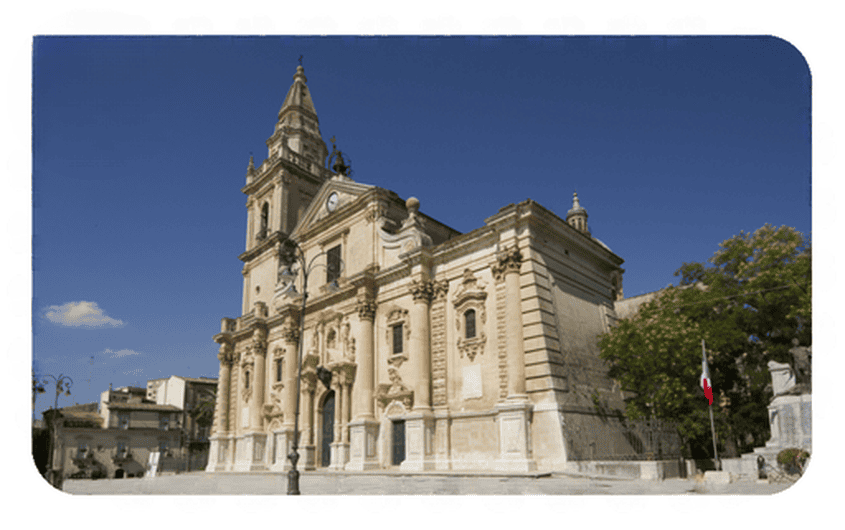
Today's position of the Cathedral of San Giovanni Battista is the result of the re -discussion made in 1694 following the serious earthquake that the previous year devastated this part of Sicily. In fact, until 1696, the church stood under the medieval castle in the west of the city. The new construction, located in the new city center, was completed in just four months. This leads to thinking that at first the cathedral of San Giovanni Battista was a small church that soon proved inadequate compared to the strong demographic increase in the city. In 1718, therefore, the construction of a larger church which is the one that has reached the present day was started. The prospectus is enriched with carvings, sculptures and columns and the main portal, the central portal is adorned by the statues that represent the Immaculate Conception, the Battista and San Giovanni Evangelista. The construction of the dome dates back to 1783 while in the early twentieth century it is the coverage of the same with copper slabs. This intervention proved to be necessary to eliminate the infiltrations of rainwater that were compromising the structure of the dome.

Cattedrale di San Giuliano - Attrazioni Sicilia

Cattedrale di San Giuliano

Caltagirone

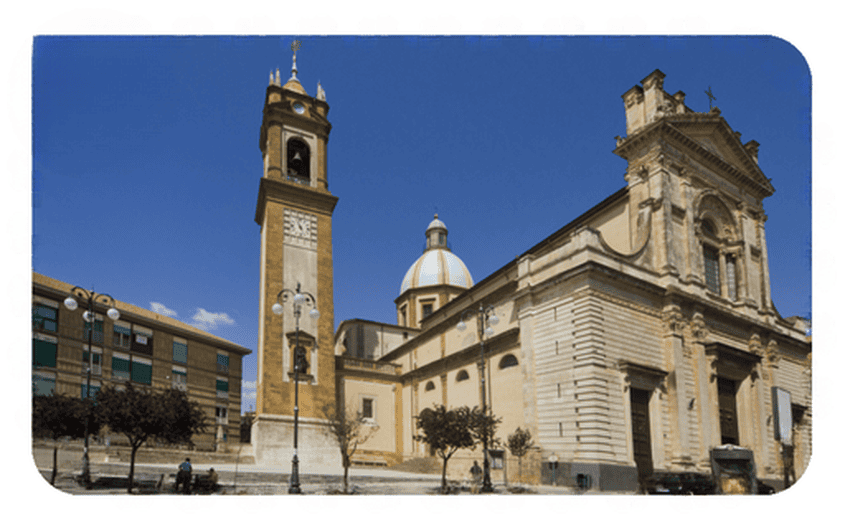
The construction of the Cathedral of San Giuliano is set, thanks to an enrollment placed on the architrave of the entrance portal, at 1282, in the Aragonese age although the oral tradition would make it trace to a previous period, in the Norman era. The most accredited hypothesis is that there was a previous temple and that in the Aragonese era there was one of the many rebuilds that involved this temple. In fact, from the Foundation to date there have been many interventions to the structure, including those following the damage reported during the earthquake of 1542 and to that of 1693. The high bell tower that stands alongside the church is from 1954. The church has been affected in recent years by a conservative restoration completed only in April 2004. From the transept, the chapter classroom, the only part of the church spared by the 1693 earthquake, is kept in the interior. marble altar surmounted by crucifix and wooden choir.

Cattedrale di San Lorenzo - Attrazioni Sicilia

Cattedrale di San Lorenzo

Trapani

The cathedral of San Lorenzo arose as a chapel in 1102, was rebuilt around 1421 at the behest of Alfonso Magnanimo, of the Casa d'Aragona and only in the second half of the 1400s was elevated to the parish and dedicated to San Lorenzo. In 1639 the building was totally renewed on a design by the architect Bonaventura. The interior is in the shape of a Latin cross and is divided into three naves, divided by two rows of columns. It is decorated with neoclassical frescoes and stuccos. Fourteen columns of Sicilian DiaSpro with Doric order capitals divide the nave in the middle of the lateral ones. Throughout the church, a lively and clear light reigns and at the bottom of the main altar, with Jewish, red and transparent letters, the mysterious name of Jehovah God shines. The vault and the upper walls are adorned with very fine embroidery of stucco and of remarkable frescoes, with episodes of the Old Testament, painted in 1794 by Palermo Vincenzo Manno. Above the main altar, on the two sides of the apse, two statues symbolize the faith and hope are symbolized, while in the middle a picture of the Eternal Father, the work of Domenico La Bruna, head.

Cattedrale di Sant' Agata - Attrazioni Sicilia

Cattedrale di Sant' Agata

Catania

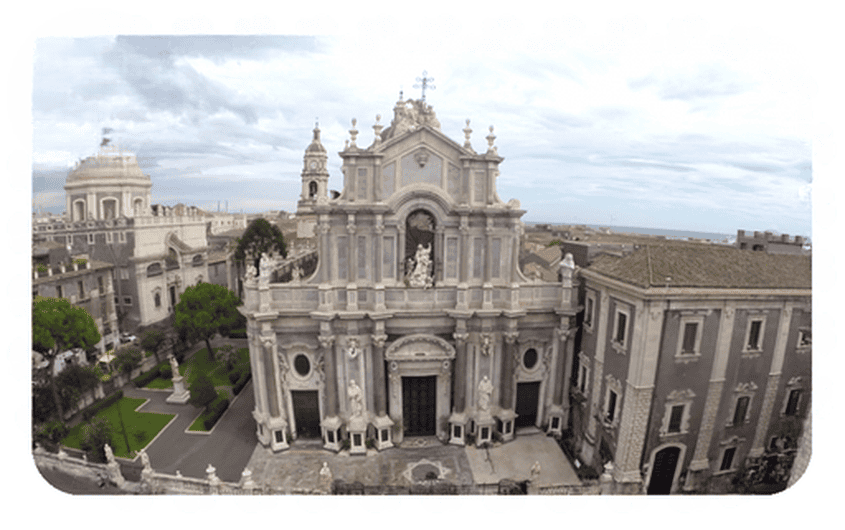
The cathedral of Sant’Agata, located on the east side of Piazza Duomo, was built on the ruins of the Roman spas of Achilles, right in the place of the martyrdom of Sant’Agata, Virgin and martyr, in 251 Sicilian baroque. The Cathedral plant is Latin cross, with three naves, divided by pillars. In fact, the interior of the Cathedral has an aspect similar to the Pantheon and affects for its proportions and sizes. At the second pillar on the right is the tomb of the famous composer and citizen of Catania Vincenzo Bellini. Particular attention deserves the chapel of the Madonna which houses numerous tombs of the Aragonese kings and two sarcophagi one of which hosts Costanza of Aragon, wife of Federico III. After the right nave then we find the most important part for the Catania: the chapel of Sant’Agata where the underground chamber is accessed, called "Cammaredda", in which the bust and the reliquary casket of the Virgin are kept.

Cattedrale di Santa Maria Assunta - Attrazioni Sicilia

Cattedrale di Santa Maria Assunta

Messina

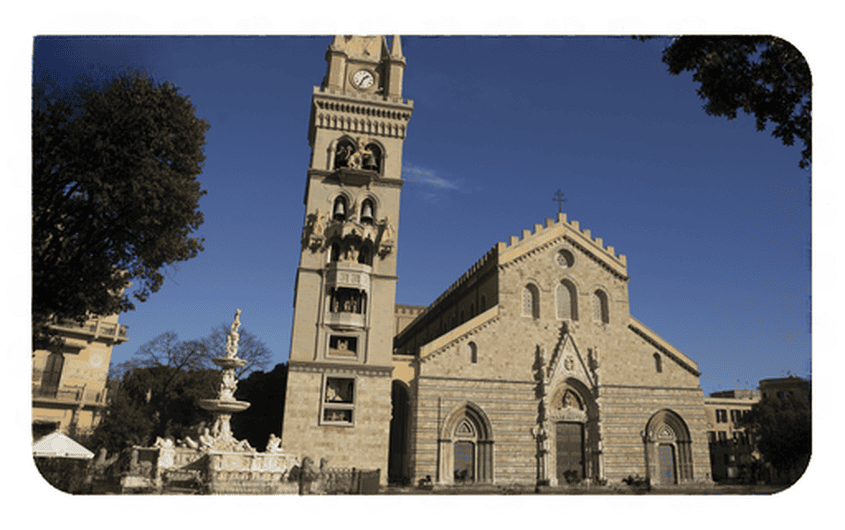
The Cathedral of Messina, named after S. Maria Assunta, is the cathedral of the Archdiocese of Messina-Lipari-San Lucia del Mela. It stands in the historic center where she plans with the facade and the bell tower on the large square. The bell tower of the Cathedral of Messina contains the largest and most complex mechanical and astronomical clock inside. At 12.00, in fact, a complex system of levers and counterweight allows the movement of bronze statues, which are on the facade and which are linked to the civil and religious traditions of the city.

Cava del Carosello - Attrazioni Sicilia

Cava del Carosello

Noto

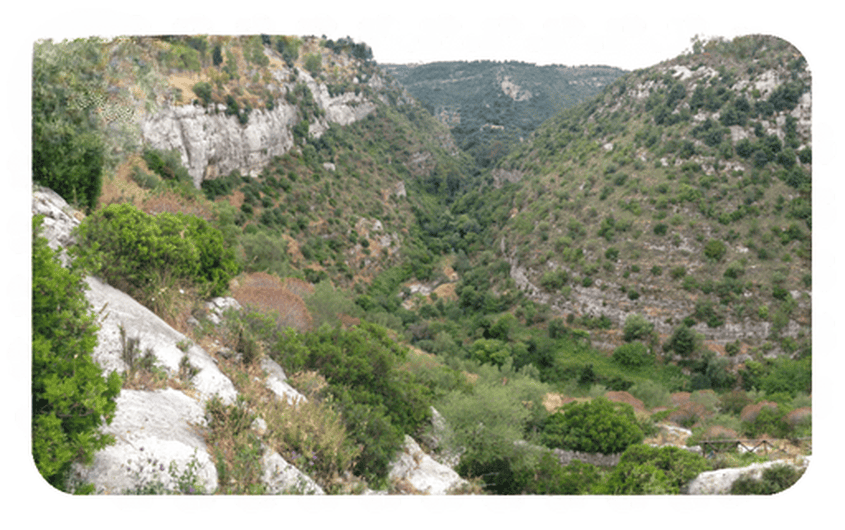
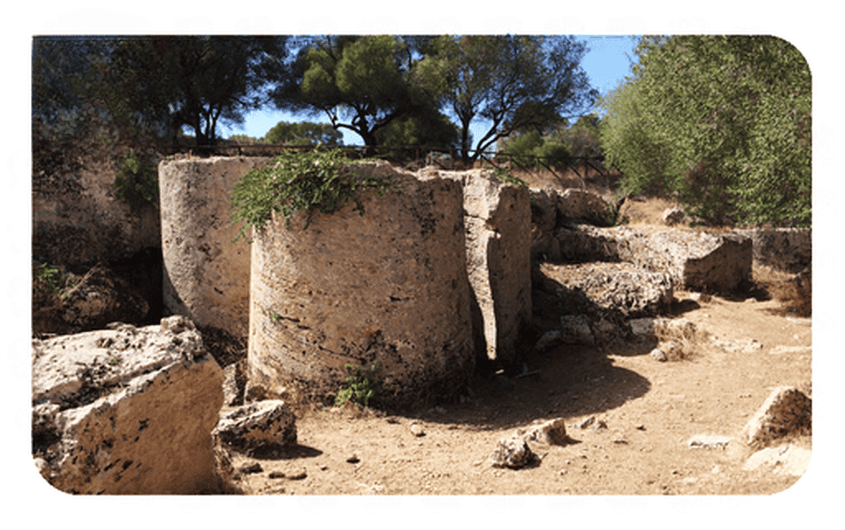
Cava Carosello is located west of Mount Alveria and is a very important Mediterranean scrub also for the numerous archaeological and naturalistic remains. In this valley the Asinaro river was born, and precisely due to the presence of the watercourse in the Arabic era, the concerts dug in the rock of which the site is very rich was born. The tanning process in fact needed large quantities of water for the processing of skin and other substances for preparation. The canalization of water through closed and exploitation through the mills had created a very florid economy. Near the entrance door to the ruins, you will find a path that descends towards the Carosello quarry, where it is possible to observe the ruins of ancient concerts and mills. Forget the certainly devastating effects that this type of industry must have created to the river environment, today the forms of the enchanting lakes ("Urvi") where to stop and swim.

Cave di Cusa - Attrazioni Sicilia

Cave di Cusa

Campobello di Mazara

Located in the territory of Campobello di Mazara are an archaeological site closely linked to Selinunte, from which it is 13 km away. From this site the square blocks, the column rocchi and the capitals for the construction of Selinunte came from this site. These quarries were in use by the 6th century BC Until the defeat of the Greeks by the Carthaginians in 409 BC The most significant element that you notice is the abrupt interruption of the extraction, processing and transport of the column Rocchi, due to the threat that looked out the city for the sudden arrival of the Carthaginian army. The sudden escape of the quarrymen, stonemasons and workers worked, has meant that today we can not only recognize but also follow all the various processing phases: from the first deep circular engravings, up to the finished rocchi who waited only to be transported away. A few gigantic columns - certainly intended for the G -temple - are noticed in the W area of ​​the Rocche di Cusa, in the state still first sketch.

Centro Storico Di Agrigento - Attrazioni Sicilia

Centro Storico Di Agrigento

Agrigento

The historic center of Agrigento is located on the western top of the hill of the ancient Girgenti where, around the 11th and thirteenth centuries, for defensive, logistical and commercial needs, in relation to the proximity of the port. Girgenti's first housing nucleus was nothing more than a castle surrounded by defensive walls that have slowly urbanized over the centuries to become modern Agrigento. In the historic center, significant testimonies of Arab-Norman art are kept, including the Cathedral of San Gerlando, the sterando palace today seat of the seminary, the Vescovile Palace, the Basilica of Santa Maria dei Greci and the monumental complex of Santo Spirito. Some of the doors of the ancient walls are still visible. Since April 2016, the neighborhood has returned to officially called Girgenti, toponym of the entire disused city in 1927 on the will of Benito Mussolini.

Chiafura - Attrazioni Sicilia

Chiafura

Scicli

Chiafura is an ancient district of Scicli that extends from the crest of the hill where the Norman castle is located and the castle of the three cantons up to the underlying throat of San Bartolomeo. Born first as Necropolis, the Chiafura website, it was slowly transforming itself into an urban housing agglomeration and was occupied permanently with this function until the mid -1900s. In May 1959 the Sinadaco Cartia and the local section of the PCI, which at that time administered the city, sent to call a delegation of intellectuals, identified without any other necessary specification, which took knowledge and evaluated the difficult condition of the Chiafura district where, in those years, hundreds of families lived hardship in conditions of indigence. Renato Guttuso with his wife Mimise, Carlo Levi, Pier Paolo Pasolini, Antonello Trombadori, Paolo Alatri and Maria Antonietta Macciocchi arrived in that occasion. Today Chiafura is an archaeological park: it is possible to stroll through the cup houses dug in the rock often preceded by a small land in front of "Raffo". Inside, small houses have a rudimentary structure. In general they are of a single environment, more than one in the case of rich residences, with the walls dug niches to store objects, generally an oven and in some cases of the cisterns.

City

19
Aci Castello - Attrazioni Sicilia

Aci Castello

Aci Castello

The myth of the foundation of the city is told of the love story between a nymph called Galatea and a shepherd called ACI killed out of jealousy by the Polyphemian cyclops. The myth tells that Galatea was in love with Aci, a beautiful young man, and that the Cyclops Polyphemus, in turn in love with the nymph, failing to the intent to conquer it, surprised the couple of lovers, threw a huge boulder envious and engraved, killing ACI. As told in Ovid's metamorphosis, Galatea, to keep his love alive, transformed the blood of ACI into a source and he himself became a river God. Point of the most attraction of the city is certainly the Castle of ACI. The tourism body of the Municipality of Aci Castello, which also includes the territory of Aci Trezza, recommends the "Tourist route of Giovanni Verga", an itinerary along the still existing places that inspired the Vergian masterpieces. A memorial recovery that opens unpublished horizons in ancient panoramas, throwing an ideal bridge between nature and culture and simultaneously offering the possibility of tourism and economic development. There are currently four tourist itineraries: "The walk between the castle and Trezza", which takes place along the coast between Acicastello and Acitrezza touching on focal points such as the castle, among whose ruins Verga set the stories of the Castle of Trezza, the bust in Verga, the work of Luciano Finocchiaro, next to the famous church of Acitrezza, the Luchino Visconti square and the house of the Nespolo, home to the Museum La Terra Trema, the film inspired by the novel I inspired by the novel I Malavoglia; "On the waves of Providence", a vaporetto trip to the Grotte di Ulisse, in the footsteps of the journey made by the Greek hero or according to the route followed on the last trip from the Malavoglia boat; "The path of A Muntagna", I turn to the volcano with a visit to the Etna farms; "Fantastichery", romantic itinerary on boats with raspberries, during which they can be rowed or fishing, listening to the voice of the fishermen, as the Malavoglia did, legends and short stories.

Acireale - Attrazioni Sicilia

Acireale

Acireale

Acireale, according to the most populous municipality of the metropolitan city of Catania, is the main center of the Hinterland Acese which includes the nearby municipalities of Aci Catena, Aci Sant'Antonio, Aci Castello, Aci Bonaccorsi, Valverde and part of Santa Venerina. Fooded by small migrations from the territory to the south, today the urban system of Acireale is that typical of the late Sicilian late medieval cities. Known for his carnival, for the Baroque and for its spas, Acireale includes a series of sea villages with a marinafish in its territory, including Santa Maria La Scala and Capo Mulini, a highly appeal summer tourist destinations. Legend has it that Acireale and the other Aci drew their origin from Xiphonia, a mysterious Greek city that has completely disappeared today. In fact, the poets Virgil and Ovido trace the myth of the Foundation to the love story between Galatea and Aci, killed out of jealousy by the Cyclops Polyphemus.

Aci Trezza - Attrazioni Sicilia

Aci Trezza

Aci Castello

The town of Aci Trezza, a hamlet of Aci Castello, is a country with a great fishing tradition. A few kilometers away from Catania is famous for the incredible show offered by the faraglioni of the islands of the cyclops that dominate its landscape. However small, the country of Aci Trezza undoubtedly deserves a visit. The panorama of ACI Trezza is dominated by the Faraglioni dei Ciclopi: eight picturesque basaltic rocks which, according to legend, were launched to Ulysses by Polyphemus to try to prevent their escape and which since then lie in the waters of the Ionian Sea. About 400 meters away from the coast, there is the Lachea island today hosting premises of the University of Catania, identifiable, always to stay in the Homeric myth, with Isola delle Capre, a place where Ulysses and his companions landed before meeting the cyclops. If you happen to Aci Trezza on a warm summer day, you must not miss the opportunity to enjoy an ice cream in front of the sea: in fact, it is thought that Aci Trezza is the country where this dessert was invented, thanks to the work of the cook Francesco Procopio Cutò, originally from Aci Trezza and that, between the end of 1600 and the beginning of the 1700s, it became very famous in Paris well.

Agira - Attrazioni Sicilia

Agira

Agira

The origins of Agira are truly ancient and by the study of some prehistoric finds it was possible to document that initially the city was populated, about 30,000 years ago, when the island was still joined to the Italian peninsula. Nomads of Afro-Asian origin, already evolved in the processing of flints, hunters, farmers, fishermen and perhaps even breeders, were perched on Mount Teja, gradually losing their original features to transform into parcel populations. In the area of ​​Agira there are traces of human inhabited people of the Paleolithic, Neolithic and Bronze Age. The oldest peoples in Sicily would have been, according to what Tucidides writes, inspired by the myths of the time, the cyclops and the Lestrigoni who would also live in the Monte Cuccio of Palermo. It is not known if the Sicans were an indigenous people, as they themselves would have affirmed in contemporary era to that of Tucidide, or if they were, instead, a population of Iberian origin moved to Sicily after being driven out of the Iberian area of ​​the Sicano river, today follows. The Sicans, around the second millennium BC, inhabited some natural or artificial caves of the island, some of which still observable to Agira (where human bones have been found referable to this period), to Alia and in Gulfa. The city of Agira, perhaps the oldest of the Sican cities, probably takes its name from one of the Sicani, agiride leaders, who founded it but the origin of the name could also connect to the presence of a silver mine near the city, from Argyos, which in Greek means silver. Until the rise of Syracuse and Agrigento, he was certainly among the major cities of Sicily. According to the ancient legends, in different areas, Sicani, Ciclopi, Lestrigoni and Emeimi convenient in what was already called Sicania or Trinacria from the name of the predominant people. Around the 11th century BC The Sicilians, coming from the Italian peninsula fleeing the osci, collided with the Sicans, who were confined to the southern and western parts. The island, with the advent of the Sicili, was since then called Sicily. The local tradition speaks of a castle in Agira Saraceno, which would have been built at the beginning of the 10th century: the first mention is 1274, in the Angevin Statute of the Sicilian castles.

Alcamo - Attrazioni Sicilia

Alcamo

Alcamo

At the foot of Monte Bonifato and at the center of the Gulf of Castellammare stands Alcamo. According to the legend on Mount Bonifato, a settlement called Longuro was founded by Trojan fugitives. In Roman times then the inhabitants moved downstream, to more suitable land for agriculture. This new center, initially called Longaric, then became Alcamo in Arabic era. According to a hypothesis, the two hills that appear in the Alcamo banner would respect the inhabited centers of Longaricum and Longuro respectively. Regarding the name Alcamo, there are different theories. A hypothesis connects the current name to the Arab word al-Qamah, which would mean "muddy land" or "fertile land", another makes it derive from the leader who first colonized the town, al-Qāmūq. According to other hypotheses, the name Alcamo derives from the dialectal term "caccoamu" which indicates the coloquintide plant, a kind of miniature customer. Alcamo saw the succession of Arabs, Normans and Swabians and the passage, later, of several feudal lords, such as the Ventimiglia, the Modica, Peralta and Chiaramonte. Alcamo was an important commercial city: he conveyed an intense exchange of wheat and wine with nearby cities and in its streets the activities of bakers, blacksmiths, leather tanners and weavers made it a handcrafted manufacturing pole of great importance.

Barcellona Pozzo di Gotto - Attrazioni Sicilia

Barcellona Pozzo di Gotto

Barcellona Pozzo di Gotto

Barcellona Pozzo di Gotto, a most populous municipality in the province after Messina, was originally made up of two distinct municipalities: Barcelona and Gotto well. In ancient times, in fact, the first was a farmhouse in the city of Castroreale, while the latter was employed by nearby Milazzo. Both disheartened, Pozzo di Gotto became a free city with Vicerenal contract of 22 May 1639 and Barcelona became common in 1815 for resolution of the Sicilian parliament, but had the definitive designation of its territories only with the Real terminated in 1823 to which execution was sanctioned on June 1, 1836. In 1908 the city suffered serious damage following the Messina earthquake and the buildings of historical interest and the places of cult of construction previously on this date are marked by the restoration works carried out in the early twentieth century.

Bivona - Attrazioni Sicilia

Bivona

Bivona

Located at the Sicani Monti Bivona, whose first mention dates back to 1160, it was between 1400 and 1500 one of the major Sicilian feudal centers and the first to be elevated to Duchy. As evidence of the important Bivonese history, numerous religious buildings remain, a castle with its imposing fourteenth -century walls and many noble buildings which over the years have been destroyed or incorporated in subsequent constructions. For example, the remains of the Church Church Chiaromontana are worthy of mention, once a bright example of Chiaramontana Gothic art in Sicily of which only the portal of the main facade and the church of Santa Rosalia remains, in a Baroque style that preserves a magnificent phcper representing the Saint. In fact, Bivona holds one of the oldest cults of Santa Rosalia whose certain news in Sicily.

Buccheri - Attrazioni Sicilia

Buccheri

Buccheri

The territory where today's Buccheri stands, has seen alternating various populations alternating along the slopes of Monte Lauro: Sicili, Romans, Byzantines and Arabs. However, the Normans created the first true urban settlement with the foundation of the castle on the hill and the consequent demographic aggregation that this brought to the territory. The castle, of which it is possible to admire important remains today, presented two towers in defense of the main entrance and a central mastio. The first nucleus of the town, consisting of the houses that arose around the castle, coincides more or less with the current neighborhoods of Badia and Casale. During the 16th and 17th centuries the village grew along the slope south of the castle until 1693 when the earthquake destroyed it almost totally. Buccheri was reconstructed in the same territory, but in a lower position than the ridge and closer to the valley floor. Today the main attractions of the city are represented by the church of Sant 'Antonio who, from the high of the homonymous staircase, dominates the whole country. Inside the three naves in which it is divided are adorned with paintings by Guglielmo Borremans dating back to the first decades of the 1700s; From the mother church named in Sant 'Ambrogio, with an incomplete facade and which preserves a precious wooden crucifix of the 16th century and the cave of S. Nicola, a Christian church excavated in the ancient foundation rock. On the plateau of Monte Lauro, which dominates the country, the many snowfriends are still visible, active up to the first decades of this century and the numerous shelters of shepherds: flashy traces of the ancient Iblea agro -cropstoral civilization. The noma of the city is probably also due to this pastoral vocation of the territory which, albeit uncertain, could derive from the Arab word "buqūr", cows, which would make it lean towards the meaning of "cowhinry" and therefore of "place intended for the grazing of the cattle". Even the other less accredited hypotheses still make reference to the allevamneto: it could derive from the combination of the Greek words βοῦς (Boûs) and ἥρα (Hḗrā), indicating this place like the one in which they grazed the cows priests of the goddess Hera, or by the Sicilian word "bucceri", pronounced Vucceri, or slaughter, deriving from the Norman Bouchier.

Calascibetta - Attrazioni Sicilia

Calascibetta

Calascibetta

Located internally on the island in a hilly area of ​​the Erei Mountains, Calascibetta takes its name from the Arabic Q'Alat Shibet, a castle on the summit. Although the territory was inhabited already in ancient times, as evidenced by the necropolises found near the city that cover a period from the 11th to the 6th century BC, and has been inhabited in the Byzantine period, of which it is possible to admire the rock settlement of Canalotto about 4 km from the city; The first true residential nucleus of today's city dates back to the Arab domination, probably as a military camp in front of Henna, in order to attempt the siege. This first settlement took the shape of the city in the Norman era when Ruggero i during the siege of Castrogiovanni fortified it, had the castle built, the village and the cathedral named after the Virgin Mary and San Pietro. Calascibetta also owes a lot to the Aragonese sovereigns who embellished it with other places of worship and monuments. Its inhabitants are called Xibetans.

Calatafimi Segesta - Attrazioni Sicilia

Calatafimi Segesta

Calatafimi Segesta

Note more simply as Calatafimi this small town in Trapani represents the only connection to date remained with to the civilization of the elimi who lived in Segesta, an important archaeological site that follows the municipal area. The population of Segesta in fact disregarded in what are called the three "medieval segs": calataphimi; Calathamet, located near the current Segesta and Calatabarbaro spa, on top of Monte Barbaro. In 1997 the Municipality added the denomination of Segesta to that of Calatafimi in honor of the important archaeological center. Between the seventh and eighth centuries on the ruins of a pre -existing castle, the Eufemio Castle was built and the first inhabited nucleus developed at its slopes. The major development, however, took place during the Arab domination: the North African populations called the hill on which the Qal'At Fîmî castle stood, Rocca di Eufemio, a name that was then also extended to the city below which became one of the most important Muslim centers on the island. In 1968 Calatafimi was hit, like many other centers in the area, by the violent earthquake that fell in the Belice valley. There were many victims and many damage to the city with a consequent movement of part of the population in the Sasi district creating a division also physical between the old country, called the village, and the new part of the city.

Caltagirone - Attrazioni Sicilia

Caltagirone

Caltagirone

The city of Caltagirone is famous in the world for the production of ceramic, an activity developed over the centuries since the times of Magna Grecia. The first stable settlements in the territory of today's Caltagirone date back to prehistory but over the centuries, up to the unification of Italy, many dominations have succeeded: Greeks, Romans, Arabs and Normans. The name of the city is certainly of Arabic origin and referring to the local clay processing: the most plausible interpretation seems to be the one that binds it to the Arabic qal 'At al Gharùn and that is Rocca delle Giare. The 1693 earthquake marks a radical turn to Caltagirone. The city over ten years rises with a baroque face, which still substantially preserved today. The historic center was awarded the title of World Heritage Site by UNESCO in 2002: full of numerous churches, different monuments and home of the main institutions and entities, up to the first post -war period was the only urban settlement. At the foot of the historic center, modern Caltagirone is arranged in amphitheater and presents itself to the eyes of visitors with large churches, bell towers, the towers and an expanse of roofs with characteristic terracotta tiles.

Caltanissetta - Attrazioni Sicilia

Caltanissetta

Caltanissetta

Located in the Sicilian hinterland, at 568 m s.l.m, the ancient Sicana city, Caltanissetta, has its center in Piazza Garibaldi, where the main monuments and churches are located. Piazza Garibaldi has the shape of a quadrilateral. On the east side is the cathedral, on the west side the church of San Sebastiano, on the north side there is the entrance to Corso Umberto I and on the south side is the Palazzo del Carmine, a former convent dedicated to the Scalzi Carmelite today the municipal seat of the Nissian municipality.

Capo d' Orlando - Attrazioni Sicilia

Capo d' Orlando

Capo d'Orlando

According to legend, the town today called Capo d'Orlando would have been founded by Arzerso, king of the Aeolian Islands, in times not far from the Trojan War, then around 1183 BC. The city, called Tirso as its founder, was originally consecrated to Dionysus. The toponym Capo d'Orlando dates back to the era of Norman conquest. Inspired by the legend that said that Paladino Orlando had stopped in this city during a crusade in the Holy Land, Carlomagno, stopping in Palermo returning from a pilgrimage to Jerusalem, decided to replace the old name pay with a name linked to Christianity. In ancient times a village strongly linked to fishing today Capo d'Orlando is a center with a strong tourist vocation thanks to its magnificent beaches.

Castellammare del Golfo - Attrazioni Sicilia

Castellammare del Golfo

Castellammare del Golfo

The city of Castellammare was born in the Hellenistic era such as Emporium Segestanorum, that is, a maritime location used for the exhaust, deposit and sale of goods. The history of the city is therefore, until the arrival of the Arabs in Sicily, linked by double thread to that of Segesta. The Arabs called the city al-Madariğ, "the stairs" in Arabic, a name that seems to derive from the staircase that from the highest part of the fortified bastion led to the port. Other theories, however, underline how the word al-Madariğ has a strong assonance with the Spanish word Almadraba and with the French one Madrague, the equivalent of tonnara in Italian, both of Arab derivation. The first building of the castle, located on a spur of rock close to the sea and connected to the mainland by means of a drawbridge, is due to the Arabs. The current name of the city is due to the Normans who, once conquered, renamed it Castrum a Mare de Gulfo, significantly expanded the castle. The coasts of Castellammarese are great attraction: very fine beaches and rocky traits alternate in a show of coves and cliffs. In the territory of Castellammare del Golfo there are also ancient Saracen sighting towers, including the sighting tower in the Bay of Guidaloca, Torre Bennistra, the Tower of Tonnara di Scopello and the Scopello tower.

Castelvetrano - Attrazioni Sicilia

Castelvetrano

Castelvetrano

Following the Norman conquest of Sicily of 1130, a process of social transformation began, known as the "rudeness crisis", which brought the peasants (villains, precisely) to concentrate in the villages as salaries thus giving birth to the social phenomenon of the "bourgeoisie". The villages in fact by position, the possibility of defense, meeting points of communication routes, gave greater guarantees of safety and work. It is in this particular period that it is placed that the birth of Castelvetrano. Probably the toponym Castrum Veteranum before indicating a inhabited center, perhaps indicated some Selinuntina, Roman or Byzantine fortress, as the findings of tombs, cisterns and various ceramic, erected to guard a crossing of communication routes, attest. However, regardless of the previous existence of any type of settlement Castelvetrano acquires its precise identity only starting from the thirteenth century.

Castronovo Di Sicilia - Attrazioni Sicilia

Castronovo Di Sicilia

Castronovo di Sicilia

The distant origins of Castronovo di Sicilia find confirmation in the existence of an archaic settlement consisting of trogloditic homes in the Grotte district, on the banks of the Platani river, attributable to the Sicano people. The first scientific patrol of these settlements, at least in recent times, dates back to 1743 At the beginning of the twelfth century, after the destruction of the citadel on the cliff, part of the population moved to the hill underlying, where two villages arose around two rich sources: the Rabat and the Rakal-Biat. It is from these two villages that the current urban center arose. The real city on the Kassar plateau was founded in the 6th century BC. The city owned an important fortress, very disputed between Agrigentini and Imerese; The struggle for his possession led to the destruction of the city. The surviving people took refuge on the cliff of San Vitale, then known with the name of "Royal Mountain": here the inhabitants felt much more protected by the enemies, given the strategic position of the cliff, and will spend more than five centuries, during which Byzantine, Arabs and Normans will happen. Some of the major attractions of the city are the Church of Calvary founded in 1810 in a circular plan with two small rooms used as a sacristy where the traditional rites of Good Friday are celebrated every year; The "Fonte Kassar", known to the Castronovesi as the tub, a circular fountain made with stone blocks; the Mother Church of Ss. Trinità built as a military garrison and open to worship in 1388; the raised source, built at the Rabat source from which it takes its name, is a rectangular drinking drink features of animals; the public washbasin with the wooden roof in which two ancient tanks are visible in which the clothes and the Palazzo Giandalia were washed, built in 1200 and then subsequently modified, at the behest of the Alondres family on the surrounding wall of the ancient city, which included a tower of Norman origin, whose remains are visible in the right corner of the main prospect.

Catania - Attrazioni Sicilia

Catania

Catania

Located at the foot of the suggestive Monte Etna who often gives her a particular charm with her eruptions, Catania is a splendid city of art overlooking the Ionian, the undisputed example of the Sicilian Baroque and for this UNESCO heritage. Destroyed nine times by earthquakes, eruptions, invasions, as many nine times has been rebuilt every time more beautiful than before. The Catania we see today is that of the last reconstruction, that of 1693, when a very violent earthquake rase to the ground. Catania was home, native or adoptive, of some of the most famous artists and writers of Italy, including the composers Vincenzo Bellini and Giovanni Pacini and the writers Giovanni Verga, Luigi Capuana, Federico De Roberto, Nino Martoglio.

Centuripe - Attrazioni Sicilia

Centuripe

Centuripe

In the prehistoric era, Centuripe was an indigenous Sicilian inhabited center, but because of the various layers of constructions followed in millennia, very little is known of the archaic age. However, the precious funerary equipment of the necropolis re -emerged in the Piano Capitano district, in the Casino district and in the Madonna district, testify to the existence of a inhabited center that exceeded the size of the simple village. The ceramics found in Centuripe, famous all over the world, are scattered in some of the most important museums in the world such as the British Museum in London and the Met in New York. Furthermore, as a reconfirmation that Centuripe has its roots in the archaic age, there are some tuchidide tales that confirm the link between the protolatin peoples and the Sicilians, especially thanks to an inscription, now considered the most important in understanding the origins of the Sicilians, contained on a famous askos, a crushed, centurpine vase of the 6th century BC. Which shows how Siculus was an indo-European language related to Latin.

Chiaramonte Gulfi - Attrazioni Sicilia

Chiaramonte Gulfi

Chiaramonte Gulfi

The first settlement in this area was by the Syracusans who in the seventh century BC. Here the city of Akrillai founded which, following the Roman conquest, was Latinized acrillae. After being destroyed by the Arabs in 827, the housing settlement was moved more downstream, on the slopes of Mount Arcibassi, where the city of Gulfi was founded, whose meaning in Arabic is "Terra Amena". During the Sicilian Vespers Gulfi was razed to the ground and was re -founded in 1926 by Manfredi Chiaramonte, Count Aragonese, in a higher and more fortified place, called "Baglio", which welcomed the few who escaped the massacre perpetrated by the Angevins and which evolved over the centuries in today's Chiaramonte Gulfi. The name of the new inhabited center was Chiaramonte: the name of the ancient center of Gulfi will be added to the official one of the Municipality only in 1881, as the memory of the ancient origin of the country. The 1963 earthquake almost completely destroyed the country which was subsequently rebuilt on the previous medieval plant. The city, also called the balcony of Sicily, the panorama that ranges from Gela to Etna, has numerous sites of civil and religious interests such as the Arch of the Annunziata, one of the doors of the Chiaramonte walls, called up to the eighteenth century "Porta di La Chaza" because it bordered with the first square of the town, now partly disappeared; the Palazzo Comunale, in Liberty style; The Basilica of Santa Maria La Nova, Mother Church, built in 1450 in Gothic style and transformed into a Baroque style in 1608; the sanctuary of the Blessed Virgin Mary of Gulfi destination of pilgrimages from all over Sicily; The church of San Vito dedicated to the patron saint of the city.

Experiences in nature

5
Ambelia Fiera Mediterranea del Cavallo - Attrazioni Sicilia

Ambelia Fiera Mediterranea del Cavallo

Militello in Val di Catania

Every year in spring, the Mediterranean Fair of the horse is held in Militello in Val di Catania in the Val di Catania, an event dedicated to the link between equestrian culture and Sicilian tradition in the name of sport and the discovery of the territory.

Area marina protetta Plemmirio - Attrazioni Sicilia

Area marina protetta Plemmirio

Siracusa

The protected marine area Plemmirio is located on the eastern coast of Syracuse and was established in 2004. It is classified as a especially protected area of ​​Mediterranean interest. It develops on a perimeter of 14.35 km of coast along the eastern part of the Maddalena peninsula, with an area of ​​2,429 hectares of protected sea. The territory is of great importance from the point of view of flora and fauna but also from a historical point of view. Crossing for the passage of the ships and vessels of Carthaginians, Romans and Greeks, the area of ​​Plemmirio hosts different amphora hills and finds of various eras in the seabed, including those of the last world war. Inside the area, different species such as tuna, dentics, curls, dolphins, sharks and sperm whales live inside the area. In the basement area there are interesting vermeti trottoirs, organic Mediterranean structures similar to small coral reefs.

Bosco della Tassita - Attrazioni Sicilia

Bosco della Tassita

Caronia

In the Messina area, the territory of the municipality of Caronia hosts the magical Bosco della Tassita, a forest of about 50 hectares characterized by a luxuriant undergrowth that has various species of plants such as the agrifoglio, the pungitopian, the whites even if the peculiarity of this area is to host the only exceptional example of a rate of rate in Sicily that can be found in this area in majestic specimens that reach 25 m height. Interesting curiosity is that the rate is also known as "Tree of Death", since all its parts, with the exception of the fruit, are toxic. In an incredible game of opposites, this same tree secrete a substance, the taxol or taxol, which is used in oncological therapy. In this natural paradise at 1450 meters above sea level you can enjoy a truly unique landscape: in addition to the colors of nature you can admire a panorama on clear days that will range from the castle of Caronia to all the Aeolian islands.

Cascata delle Due rocche - Attrazioni Sicilia

Cascata delle Due rocche

Corleone

Within the territory of Corleone, a few steps from the historic center of the city is the "Natural Park of the Cascata delle Due Rocche". After crossing a series of alleys in the San Giuliano district you reach a small church dedicated precisely to the Madonna delle Due Rocche. To the left of this church «a path that leads between poplars, willow and olmi to the waterfalls winds. Completely seated on ancient square boulders, in the shade of mulberry, walnuts and ashs you can observe the suggestive show of the waterfall. The jump of the water of the stream has, with its erosive action, formed a wide pool between the Calcoarenitic rocks. From the foamy water there is a remarkable steam that the sun transforms into sparkling rainbows. All around the Glauconitic rocks, made alive by erosion in their yellow-green colors, are occupied by rock vegetation. Observing the walls well, you notice the remains of an ancient aqueduct. Before throwing himself at this point, the most upstream stream exerted a strong excavation action along the rocky hips forming the canyon. "

Cava dei Servi - Attrazioni Sicilia

Cava dei Servi

Modica

Between Rosolini and Modica a Canyon all Sicilian, today a nature reserve, opens in our eyes: we are talking about the Cava dei Servi, a magical place full of history and natural beauty. Along the quarry, the Tellesimo stream flows, along which small lakes of crystal clear water formed where to find refreshment after a long walk. The Valle di Cava dei Servi has very ancient origins that date back to prehistory. Retitioned artifacts and necropolis testify that this fantastic place was already inhabited as many as 4000 years ago.

Castles

2
Buscemi - Attrazioni Sicilia

Buscemi

Buscemi

Buscemi's territory is inhabited by the Bronze Age. The first Sicilian settlements replaced the Greeks, who founded the city of Casmene here, and the Byzantines whose stay remain to testify some rock buildings including the rock church of San Pietro. The first historical sources that speak of a fortress, however, date back to the period of Arab domination. The origin of today's name also dates back to this period: the inhabited center is reported by the geographer Muhammad Al-Idrisi as "Qalʾat ʾabi Šāma", "Castle of that from the Neo" or "man's castle with the newly" identifying with his important physical feature an important person in the city. According to others, man from the neo would instead be a reference to the prophet Muhammad as it is said that he had this great neo on his back, identified as the seal of the prophets. Buscemi has always had great strategic importance thanks to the excellent view of the Valle dell 'Anapo. The Normans reconstructed the fort on the ruins of the previous Muslim construct. The city was completely razed to the ground by the earthquake of 1693 resulting one of the most affected countries with the disappearance of 41% of the inhabitants and the city we see today is the result of the Baroque reconstruction. Today the major points of interest of the city are the church of the Nativity of Maria Santissima, the mother church of the town that houses the embalmed body of San Pio; The church of San Giacomo, with an elliptical plan, now deconsecrated and used by the Municipality for conferences, cultural initiatives and exhibitions and the church of Sant'Antonio da Padova which holds inside an eighteenth -century wooden statue of the Addolorata of great plastic intensity, and some tombs of members of the Requesnz family.

Castello della Colombaia - Attrazioni Sicilia

Castello della Colombaia

Trapani

La Colombaia, also called Torre Peliade, is an ancient medieval fortress of Trapani, located on an island at the eastern end of the port of Trapani. It is 32 meters high, consisting of four overlapping floors, with the first used as a cistern, while the original entrance was on the second floor. It is one of the best examples of military architecture in Sicily. Some legends connect the Colombaia with the Trojan exiles landed in Trapani after the fall of their city in the thirteenth century BC, but there are in reality evidence of this fact. Today's name Colombaia is the linguistic cast of the name of the islet in Greek, Peliàdes, dove precisely, from which the alternative name of Torre Peliade also derives. The site, in the process of renovation, is not currently open to visitors.

Folklore and entertainment

1
Caltanissetta e la Storia del cannolo siciliano - Attrazioni Sicilia

Caltanissetta e la Storia del cannolo siciliano

Caltanissetta

According to a legend, the birth of the cannoli took place in Caltanissetta, "Kalt El Nissa" phrase that in Arabic means "Castello delle Donne", at that time home to numerous Harem by Emiri Saraceni. Today's Sicilian cannolo would therefore have ancient origins, even if over the centuries it has undergone different transformations, and its ancestor may have been a banana -shaped dessert, filling with almond and honey ricotta. The most accredited hypothesis would be the one that the favorites of the Emir, to pass the time, devoted themselves to the preparation of delicious dishes, in particular of sweets and in one of the many culinary experiments would have "invented" the cannolo, an allusion evident to the "skills" of the sultan. Another source, however, has handed down that the cannoli were prepared for the first time in a convent always near Caltanissetta. It is said that on the occasion of the carnival the nuns "invented" a dessert made up of a wrapping (glimpse) filled with a ricotta and sugar cream and enriched with pieces of chocolate and almond grains. Whether it's nuns or concubines, "these women, made different by the vote of chastity, probably in their intimate they were not so much in the face of the voluptuous pleasure offered by the magnificent dessert". We certainly know that its roots date back to the Arab domination in Sicily (from 827 to 1091). Both theses are likely as at the end of the Arab domination in Sicily, concise with the arrival of the Normans, the harems emptied and one or more women now free, converted to Christianity, entered the convent. Here they may have reproduced some of the recipes with which they had seduced the shorts of the Emiri, transmitting them following "those holy ancellers of the Lord to then get to us sinners".

Most beautiful villages in Italy

4
Castelmola - Attrazioni Sicilia

Castelmola

Castelmola

A few kilometers from the beautiful Taormina, overlooking the Ionian Sea, Castelmola stands. Of the pre -Hellenistic Foundation formed a time with Taormina a single center so as to be the acropolis. With the going of the centuries the political importance of Mola has grown to make it become an important pawn in the political disputes between Swabians and Angevins first and during the Sicilian Vespers then. In 1928 Castelmola was annexed to the municipality of Taormina. This led to an economic immobility that put the territory in crisis leading, in 1947, to the restoration of the independence of the Municipality of Castelmola. Castelmola, characterized by a strong tourist vocation, was included in the circuit of the most beautiful villages in Italy. Taking four steps in the village, one cannot fail to focus to look at the panorama from the belvedere of Piazza Sant 'Antonio to enjoy a breathtaking view of the Taormina and the Ionian Sea underlying.  Another obligatory stop are the Norman castle of Castelmola, what was perhaps the most important defensive manor of Eastern Sicily; The Cathedral entitled in San Nicola di Bari where you can find styles ranging from Romanesque to Baroque whose facade enjoys an incredible view of Mount Etna and the Gulf of Naxos. To combine the joy of the eyes, the joy of the palate we recommend, to those who have reached the age of majority, the tasting of the famous wine to the almond of Castelmola, dry white wine of the best qualities of zibibbo flavored with bitter almonds, herbs of the Peloritan space tradition, citrus essences and caramels, perhaps enjoying a splendid sunset on the Ionian Sea. A curiosity about Castelmola is that the famous novel by D. H. Lawrence, Lady Chatterley's lover, published in 1928 and subsequently withdrawn for obscenity, was inspired by the loose conduct of the German Baroness, Frieda von Richthofen, wife of the English writer. During their stay in Taormina, Frieda, in fact, had, in fact, to express its exuberant sensuality, among the vineyards and farmhouses of the Castelmola countryside, with the young Mulattiere Moolese, Peppino D'Alura, who had the task of accompanying the Baroness to the villa of his mistress, Mrs. Betty, who lived in Monte Venus at 800 meters on the sea. Between a sweet and the other "Lady Chatterley", he told his friend, the erotic games in the splendid and wild Sicily along the mule tracks of Monte Venere.

Castiglione di Sicilia - Attrazioni Sicilia

Castiglione di Sicilia

Castiglione di Sicilia

Castiglione di Sicilia, inserted in the circuit of the most beautiful villages in Italy, is a municipality located on the north side of the Etna in the middle of the valley that the Alcantara river furrows between Randazzo and Taormina. Some archaeological excavations near the Alcantara river show how the Casiglione area was inhabited well before the arrival of the Greeks in Sicily. In fact, there are many archaeological sites in the Castiglionese dating back to the Neolithic, at the age of copper and the Bronze Age. The primitive Sicilian settlement was conquered first by the Greeks, then by the Romans and after again by the Arabs who were told had bred crocodiles in the waters of Alcantara. Only after the expulsion of the Arabs by the Normans Castiglione did it come to its splendor. At this period the construction of the walls, the castle, the castidduzzo and the cannizzo date back, all structures still well preserved. Castiglione is full of buildings of high historical and religious relevance not only within the country. At the edge of the inhabited center we find one of the most enchanting sites in the country: a cannizzu a sighting tower located at the western end of the country and to the west, near the course of Alcantara, is found Santa Sunday, perhaps the most important Byzantine Cuba present in Sicily. Castiglione di Sicilia is one of the municipalities that fall within the territory of the Etna park and the Alcantara river park.

Castroreale - Attrazioni Sicilia

Castroreale

Castroreale

Castroreale, which stands on the Torace hill, a relief of the Peloritani Mountains, is part of the circuit of the most beautiful villages in Italy and represents Sicily in the competition of Il "Borgo dei Borghi 2018". The urban fabric is of medieval imprint with narrow and steep roads and narrow streets, paved with a characteristic stone flooring that open on square-belvedia squares. The first certain historical news date back to 1324, the date on which Federico III of Aragon ordered the reconstruction of a pre -existing castle. The building, which developed around the fort, was renamed Castro (or Castello) and later Castroreale, because it is a favorite residence of King Frederick III of Aragon. Castroreale always remained state property city, increasing its importance, economic prosperity and territorial extension over the centuries thanks to the strategic position that covers both in the system of fortifications placed on the Tyrrhenian side in defense of the plain of Milazzo and in the system of connections with the fortified centers of the Ionian coast, through the paths inside the Peloritani chain.

Cefalù - Attrazioni Sicilia

Cefalù

Cefalù

Cefalù is one of the major bathing centers of the whole region and every year attracts a significant flow of local, national and foreign tourists. The town, which is part of the Our Lady Park, is included in the Club of The most beautiful villages in Italy. The Rocca di Cefalù dominates the city and together with the Duomo characterizes its profile. The historic center of Cefalù has a medieval system characterized by narrow streets, paved with the pebbles of the beach and the limestone of the Rocca di Cefalù. The Arab-Norman Palermo website and the Cathedrals of Cefalù and Monreale in 2015 was declared a World Heritage Site by UNESCO.

City parks

1
Cava di Ispica - Attrazioni Sicilia

Cava di Ispica

Ispica

Cava Ispica is a river valley that for 13 km affects the Ibleo plateau, between the cities of Modica and Ispica. The valley, immersed in the typical vegetation of the Mediterranean scrub, holds prehistoric necropolises, Christian catacombs, rock speakers, monastic hermitages and varology of varology that have occurred continuously from the ancient bronze age until at least the fourteenth century. In the terminal area of ​​the valley in the territory of Ispica, close to the city, the site takes the name of "Forza Park". The particular morphology of the quarry, in the shape of a throat, the type of rock, the position naturally suitable for defense, the proximity of the sea, have contributed to making this place one of the major cave settlements of Sicily. Even today, not much is known about the Cava d 'Ispica: in fact, a regular excavation campaign has never been carried out specifically for the territory given that the expense to complete a company of this kind would be such as not to make it also consider it. All that is to date has been discovered and documented in the Cava di Ispica is the result of partial research and therefore the difficulty in the interpretation of data referable to a particularly wide chronological arc does not allow to specify the era in which the first human settlement was established in the quarry. The main access to the Cava d 'Ispica are, north at the provincial road 32, via Crocevia Cava Ispica and south from the Forza Park in the city of Ispica.

Cosa Vedere in Sicilia: Guida Completa

La Sicilia e una terra di meraviglie senza pari, dove tremila anni di storia si intrecciano con paesaggi naturali mozzafiato. Dall'imponente Etna ai templi greci della Valle dei Templi, dalle spiagge caraibiche alla cucina che e patrimonio dell'umanita.

I Must-See della Sicilia

  • Valle dei Templi, Agrigento - Il piu grande parco archeologico del Mediterraneo
  • Riserva dello Zingaro - Paradiso naturale a 40 min da Trappeto
  • Tempio di Segesta - Tempio dorico perfettamente conservato, a soli 30 min da Trappeto
  • Palermo e Monreale - Capitale arabo-normanna, patrimonio UNESCO
  • Cefalu - Borgo marinaro con il celebre Duomo normanno
  • Erice - Borgo medievale a 750m con vista sulle Egadi
  • Etna - Il vulcano attivo piu alto d'Europa
  • Taormina - Il balcone della Sicilia con il Teatro Greco

Esplorare la Sicilia da Trappeto

Trappeto e una base strategica per esplorare la Sicilia occidentale. Con il treno o l'autobus, o con un'auto a noleggio, puoi raggiungere le principali attrazioni in giornata e tornare alla sera per una cena di pesce fresco sul lungomare.